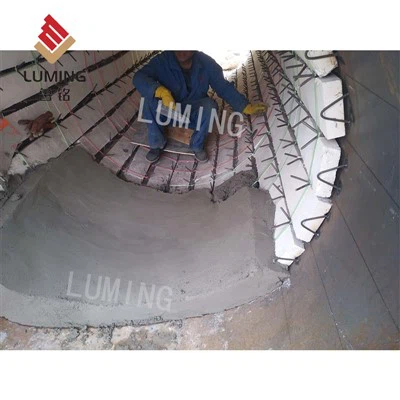
As a supplier of Ferromanganese Kilns, I understand the critical importance of safety in the operation of these industrial facilities. Explosions in Ferromanganese Kilns can have devastating consequences, including loss of life, property damage, and significant disruptions to production. In this blog post, I will share some key strategies and best practices on how to prevent explosions in a Ferromanganese Kiln.
Understanding the Causes of Explosions in Ferromanganese Kilns
Before delving into prevention measures, it's essential to understand the root causes of explosions in Ferromanganese Kilns. Several factors can contribute to an explosive situation, including:


- Combustible Gases and Vapors: During the ferromanganese production process, various combustible gases and vapors are generated. If these gases accumulate in high concentrations and come into contact with an ignition source, an explosion can occur.
- Dust Accumulation: Fine dust particles produced during the smelting process can form explosive mixtures when suspended in the air. Dust accumulation in the kiln and its associated ductwork can increase the risk of an explosion.
- Ignition Sources: Ignition sources such as open flames, electrical sparks, or hot surfaces can trigger an explosion if they come into contact with combustible gases or dust.
- Inadequate Ventilation: Poor ventilation can lead to the buildup of combustible gases and dust, increasing the likelihood of an explosive atmosphere.
Prevention Strategies
1. Proper Design and Installation
- Selecting the Right Kiln Design: Choose a Ferromanganese Kiln design that incorporates safety features such as explosion vents, pressure relief devices, and proper sealing to prevent the leakage of combustible gases.
- Compliance with Standards: Ensure that the kiln is designed and installed in accordance with relevant safety standards and regulations. This includes following guidelines for electrical systems, ventilation, and fire protection.
2. Ventilation and Gas Management
- Effective Ventilation Systems: Install a well-designed ventilation system that can efficiently remove combustible gases and dust from the kiln area. The ventilation system should be regularly inspected and maintained to ensure proper operation.
- Gas Monitoring: Implement a gas monitoring system to continuously measure the concentration of combustible gases in the kiln and its surroundings. This allows for early detection of potential explosive conditions and enables prompt action to be taken.
- Gas Purge Procedures: Develop and implement gas purge procedures to remove any accumulated combustible gases before starting or shutting down the kiln. This helps to prevent the formation of explosive mixtures.
3. Dust Control
- Dust Collection Systems: Install high - efficiency dust collection systems to capture and remove dust particles generated during the smelting process. Regularly clean and maintain these systems to prevent dust buildup.
- Housekeeping: Keep the kiln area clean and free of dust accumulation. Regularly sweep and vacuum floors, walkways, and equipment to minimize the risk of dust explosions.
4. Ignition Source Control
- Electrical Safety: Ensure that all electrical equipment in the kiln area is properly grounded and rated for use in hazardous environments. Use explosion - proof electrical fixtures and wiring to prevent electrical sparks.
- Hot Work Permits: Implement a hot work permit system for any maintenance or repair work that involves open flames, welding, or cutting. This ensures that proper safety precautions are taken before starting such work.
- Eliminating Static Electricity: Take measures to prevent the buildup of static electricity, which can act as an ignition source. This may include using anti - static materials and grounding equipment.
5. Operator Training and Safety Procedures
- Comprehensive Training: Provide thorough training to all operators and maintenance personnel on the safe operation of the Ferromanganese Kiln. Training should cover topics such as explosion prevention, emergency response procedures, and the proper use of safety equipment.
- Safety Procedures: Develop and enforce strict safety procedures for all aspects of kiln operation, including startup, shutdown, maintenance, and emergency situations. Regularly review and update these procedures to reflect the latest safety standards and best practices.
6. Regular Inspections and Maintenance
- Scheduled Inspections: Conduct regular inspections of the kiln and its associated equipment to identify and address any potential safety hazards. Inspections should include checks for leaks, damage, and proper functioning of safety devices.
- Preventive Maintenance: Implement a preventive maintenance program to ensure that all equipment is in good working condition. This includes regular servicing of ventilation systems, gas monitoring equipment, and dust collection systems.
Related Kiln Technologies
In addition to Ferromanganese Kilns, there are other types of kilns and furnaces that are used in various industries. For example, the Coke Oven is an important equipment in the coking industry, which produces coke for use in steelmaking. The Alumina Calcination Kiln is used in the production of alumina, a key raw material for aluminum production. And the Circulating Fluidized Bed (cfb) is a type of combustion technology that offers high efficiency and low emissions.
Conclusion
Preventing explosions in a Ferromanganese Kiln requires a comprehensive approach that includes proper design, ventilation, dust control, ignition source management, operator training, and regular maintenance. By implementing these strategies, you can significantly reduce the risk of explosions and ensure the safe and efficient operation of your Ferromanganese Kiln.
If you are in the market for a Ferromanganese Kiln or need further information on explosion prevention in kilns, I encourage you to reach out to us. Our team of experts is ready to assist you in selecting the right equipment and implementing the necessary safety measures. Contact us today to start a discussion about your specific requirements.
References
- "Industrial Furnace Safety Handbook" by John Doe
- "Safety Standards for Ferromanganese Production" published by the International Ferromanganese Association
- "Ventilation and Gas Management in Industrial Kilns" research paper by Jane Smith