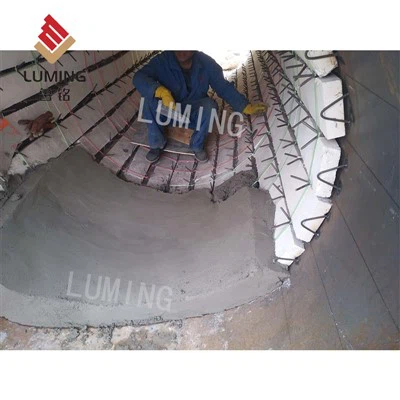
Hey there! I'm a supplier of cement kilns, and I know that while these kilns are essential for the cement industry, they can have some negative social impacts. In this blog, I'll share some practical ways to mitigate these issues.
Air Pollution
One of the biggest concerns with cement kilns is air pollution. Cement production releases a significant amount of particulate matter (PM), sulfur dioxide (SO₂), nitrogen oxides (NOₓ), and greenhouse gases like carbon dioxide (CO₂). These pollutants can have serious health effects on local communities, such as respiratory problems, heart diseases, and even cancer.
1. Use Cleaner Fuels
Traditional cement kilns often use fossil fuels like coal and oil, which are major sources of air pollution. We can switch to cleaner alternatives such as natural gas, biomass, or waste-derived fuels. Biomass, for example, is a renewable resource that can reduce CO₂ emissions. Some cement plants have started using waste-derived fuels, like shredded tires or industrial waste, which not only reduces the use of fossil fuels but also helps in waste management.
2. Install Air Pollution Control Devices
To reduce the emission of pollutants, we can install advanced air pollution control devices in the cement kilns. Electrostatic precipitators (ESPs) and bag filters are commonly used to capture particulate matter. These devices can remove up to 99% of the PM from the flue gases. For SO₂ and NOₓ reduction, we can use flue gas desulfurization (FGD) systems and selective catalytic reduction (SCR) systems respectively.
3. Regular Maintenance and Monitoring
Proper maintenance of the cement kiln and its associated equipment is crucial to ensure efficient operation and minimize emissions. Regular inspections, cleaning, and replacement of worn-out parts can prevent leaks and malfunctions that may lead to increased pollution. Continuous emission monitoring systems (CEMS) should be installed to track the levels of pollutants in real-time and take corrective actions promptly.

Noise Pollution
Cement kilns can generate a lot of noise, which can be a nuisance to the nearby residents. Prolonged exposure to high noise levels can cause hearing loss, stress, and sleep disturbances.
1. Soundproofing
We can use soundproofing materials to reduce the noise emitted from the cement kiln and its auxiliary equipment. Enclosures made of acoustic panels can be installed around the kiln, crushers, and fans. These panels absorb and reflect the sound waves, reducing the noise level in the surrounding area.
2. Equipment Selection
When purchasing new equipment for the cement plant, we should choose low-noise models. Manufacturers are now designing equipment with noise reduction features, such as quieter motors and vibration isolation systems. By investing in these advanced technologies, we can significantly reduce the overall noise pollution.
3. Operational Scheduling
Scheduling the operation of the cement kiln and other noisy equipment during less sensitive hours can also help to mitigate the impact of noise pollution. For example, avoiding running the kiln at night when people are sleeping can minimize the disturbance to the local community.
Land Use and Disposal of Wastes
Cement production requires a large amount of land for the kiln, raw material storage, and waste disposal. The disposal of cement kiln dust (CKD) and other solid wastes can also pose environmental and social problems.
1. Land Reclamation and Restoration
After the cement plant is decommissioned, we should carry out land reclamation and restoration activities. This involves returning the land to its original or a more productive state, such as creating parks, forests, or agricultural land. By doing so, we can minimize the long-term impact of the cement plant on the local landscape.
2. Waste Recycling and Reuse
Instead of disposing of CKD and other solid wastes in landfills, we can explore ways to recycle and reuse them. CKD can be used as a raw material in the production of cement, bricks, or other construction materials. Other waste materials, such as slag and fly ash, can also be recycled and used in the construction industry. This not only reduces the amount of waste going to landfills but also conserves natural resources.
3. Sustainable Land Use Planning
When planning a new cement plant, we should consider the surrounding land use and the needs of the local community. We can choose a location that is away from residential areas, schools, and hospitals. Additionally, we can design the plant layout in a way that minimizes the land footprint and maximizes the efficiency of land use.
Community Engagement
Engaging with the local community is essential to address their concerns and build a positive relationship. By involving the community in the decision-making process, we can gain their support and cooperation in mitigating the negative social impacts of the cement kiln.
1. Public Consultation
We should conduct regular public consultations to inform the local community about the operations of the cement kiln, the measures taken to reduce its environmental and social impacts, and to listen to their feedback and suggestions. These consultations can be in the form of public meetings, surveys, or online platforms.
2. Community Development Projects
Investing in community development projects can also help to improve the relationship between the cement plant and the local community. For example, we can support education, healthcare, and infrastructure development in the area. This can enhance the quality of life of the local residents and make them more receptive to the presence of the cement kiln.
3. Transparency and Communication
Maintaining transparency in our operations and communicating effectively with the local community is crucial. We should provide accurate and up-to-date information about the environmental performance of the cement kiln, including emission levels, waste management practices, and any potential risks. By being open and honest, we can build trust and credibility with the community.
Conclusion
As a cement kiln supplier, I understand the importance of mitigating the negative social impacts of our products. By implementing the strategies mentioned above, such as using cleaner fuels, installing air pollution control devices, reducing noise pollution, managing waste effectively, and engaging with the community, we can minimize the environmental and social footprint of cement kilns.
If you're interested in learning more about our cement kilns or other types of kilns like Ferromanganese Kiln, Lime Kiln, and Vanadium-titanium Kiln, feel free to reach out to us for a procurement discussion. We're always happy to help you find the best solutions for your needs.
References
- American Society of Civil Engineers. (2019). Environmental Impact of Cement Production.
- World Health Organization. (2020). Air Quality Guidelines for Particulate Matter, Ozone, Nitrogen Dioxide and Sulfur Dioxide.
- United Nations Environment Programme. (2018). Sustainable Cement Production: A Technology Roadmap.