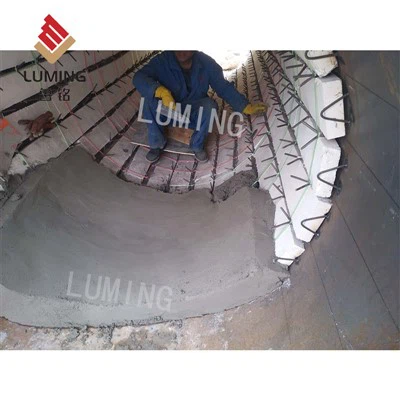
Hey there! As a supplier of high alumina bricks, I've seen firsthand how important it is to handle these bricks safely during installation. High alumina bricks are widely used in various industries due to their excellent refractory properties, but if not handled correctly, they can pose risks to both the installers and the overall quality of the project. In this blog, I'll share some tips on how to handle high alumina bricks safely during installation.
Understanding High Alumina Bricks
Before we dive into the safety tips, let's quickly go over what high alumina bricks are. High alumina bricks, also known as High Aluminum Brick, are made from high - grade bauxite or other alumina - rich materials. They have high refractoriness, good thermal shock resistance, and strong chemical stability, which makes them suitable for use in furnaces, kilns, and other high - temperature applications.
There are different types of high alumina bricks, like the Sk40 Refractory Brick, which is known for its specific refractory characteristics and is often used in certain industrial settings. And of course, the general Refractory High Alumina Brick that provides reliable performance in a wide range of high - temperature environments.
Pre - installation Safety Precautions
Personal Protective Equipment (PPE)
First things first, everyone involved in the installation process should wear the right PPE. This includes safety goggles to protect your eyes from dust and debris that might be kicked up during handling. Gloves are a must - have; they'll protect your hands from cuts, abrasions, and any potential chemical reactions. A dust mask is also essential, especially when cutting or grinding the bricks, as inhaling the dust can be harmful to your lungs. And don't forget about steel - toed boots to protect your feet from any falling bricks.
Site Preparation
The installation site needs to be well - prepared. Clear the area of any clutter or obstacles that could cause tripping hazards. Make sure the surface where the bricks will be installed is clean, level, and dry. If the surface is uneven, it can lead to improper brick placement and may compromise the integrity of the structure. Also, set up proper ventilation if you're working in an enclosed space, as the dust from the bricks can build up and become a health risk.
Brick Inspection
Before you start installing the bricks, take the time to inspect each one. Look for any cracks, chips, or other defects. Using damaged bricks can weaken the overall structure and may lead to premature failure. If you find any damaged bricks, set them aside and don't use them in the installation.
Handling the Bricks
Lifting and Carrying
High alumina bricks can be heavy, so proper lifting techniques are crucial. Bend your knees and keep your back straight when picking up a brick. Avoid twisting your body while carrying the brick; instead, turn your whole body. If the bricks are too heavy to carry alone, use a lifting device like a forklift or a hoist. And when stacking the bricks, make sure the stacks are stable and not too high to prevent them from toppling over.
Cutting and Shaping
Sometimes, you may need to cut or shape the bricks to fit the installation area. When using cutting tools, follow the manufacturer's instructions carefully. Use a sharp blade or abrasive wheel to make clean cuts. Always wear your PPE, especially your safety goggles and dust mask, as cutting generates a lot of dust. If possible, wet the brick before cutting to reduce the amount of dust in the air.
Storage
If you're not using all the bricks at once, proper storage is important. Store the bricks in a dry place to prevent them from absorbing moisture, which can affect their performance. Stack them in an organized manner to make it easy to access the bricks you need. And keep them away from any sources of heat or chemicals that could damage them.
Installation Process
Mortar Application
When applying mortar to the bricks, make sure to follow the correct mixing ratio. Improperly mixed mortar can lead to poor adhesion between the bricks. Use a trowel to apply an even layer of mortar on the surface where the brick will be placed. Don't over - apply or under - apply the mortar, as this can affect the stability of the structure.
Brick Placement
Place the bricks carefully on the mortar - covered surface. Use a level to ensure that each brick is straight and level. Tap the brick gently with a rubber mallet to seat it properly in the mortar. Leave a small gap between each brick for expansion and contraction. This gap is usually specified in the installation instructions and is important to prevent the bricks from cracking due to thermal stress.
Joint Filling
After the bricks are placed, fill the joints with mortar. Use a jointing tool to smooth out the mortar and make the joints look neat. Make sure the joints are fully filled to provide a strong bond between the bricks.
Post - installation Safety
Cleanup
Once the installation is complete, clean up the work area. Sweep up any loose bricks, mortar, or debris. Dispose of the waste properly according to local regulations. This not only keeps the site safe but also gives a professional look to the completed project.
Inspection
Conduct a final inspection of the installed bricks. Check for any signs of loose bricks, uneven joints, or other issues. If you find any problems, address them immediately to ensure the long - term performance of the high alumina brick installation.
Conclusion
Handling high alumina bricks safely during installation is crucial for the well - being of the installers and the success of the project. By following these safety tips, you can minimize the risks associated with working with these bricks. Whether you're a professional installer or a DIY enthusiast, taking the time to handle high alumina bricks properly will pay off in the long run.


If you're in the market for high alumina bricks, I'd love to talk to you. We've got a wide range of high - quality High Aluminum Brick, Sk40 Refractory Brick, and Refractory High Alumina Brick to meet your specific needs. Reach out to us to discuss your requirements and get a quote. We're here to help you with your refractory brick projects.
References
- "Refractory Materials Handbook"
- Manufacturer's installation guides for high alumina bricks
- Occupational Safety and Health Administration (OSHA) guidelines on working with refractory materials