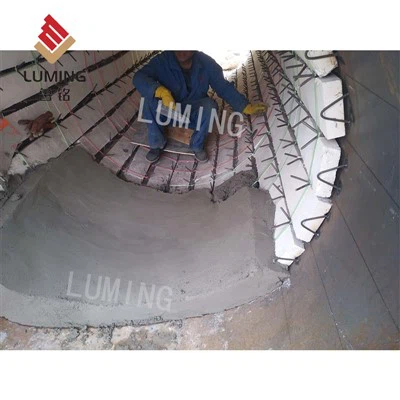
Choosing the right kiln or furnace is a crucial decision that can significantly impact your business operations. As a kiln and furnace supplier, I've seen firsthand how the wrong choice can lead to inefficiencies, increased costs, and even safety hazards. In this blog post, I'll share some tips on how to choose a kiln that meets your specific needs.
Understand Your Requirements
The first step in choosing a kiln is to understand your requirements. What materials will you be firing? What temperature range do you need to achieve? How much volume do you need to process? These are all important questions to consider when selecting a kiln.
For example, if you're working with ceramics, you'll need a kiln that can reach high temperatures and maintain a consistent heat throughout the firing process. On the other hand, if you're working with metals, you'll need a furnace that can handle the specific melting point of the metal you're using.
Consider the Type of Kiln
There are several types of kilns available on the market, each with its own advantages and disadvantages. Here are some of the most common types of kilns:
- Electric Kilns: Electric kilns are popular because they're easy to use, clean, and energy-efficient. They're also relatively inexpensive compared to other types of kilns. However, they may not be suitable for high-temperature firing or large-scale production.
- Gas Kilns: Gas kilns are more powerful than electric kilns and can reach higher temperatures. They're also better suited for large-scale production. However, they require a gas supply and can be more expensive to operate.
- Wood-Fired Kilns: Wood-fired kilns are traditional kilns that use wood as a fuel source. They're known for producing unique and beautiful results, but they require a lot of skill and experience to operate. They're also more time-consuming and labor-intensive than other types of kilns.
- Solar Kilns: Solar kilns are a relatively new type of kiln that uses solar energy to heat the kiln. They're environmentally friendly and energy-efficient, but they may not be suitable for all climates or applications.
Evaluate the Size and Capacity
The size and capacity of the kiln are also important factors to consider. You'll need to choose a kiln that can accommodate the size and volume of your work. If you're working on small projects, a small kiln may be sufficient. However, if you're working on large-scale production, you'll need a larger kiln with a higher capacity.
It's also important to consider the space you have available for the kiln. Make sure you have enough room to install the kiln and allow for proper ventilation.
Look for Quality and Durability
When choosing a kiln, it's important to look for quality and durability. A high-quality kiln will last longer and require less maintenance, which can save you money in the long run. Look for kilns that are made from high-quality materials and have a good reputation for reliability.


You should also consider the warranty and customer support offered by the manufacturer. A good warranty will give you peace of mind and protect your investment.
Consider the Cost
The cost of the kiln is another important factor to consider. Kilns can range in price from a few hundred dollars to several thousand dollars, depending on the type, size, and features. It's important to choose a kiln that fits your budget, but don't sacrifice quality for price.
In addition to the initial cost of the kiln, you'll also need to consider the cost of operation, maintenance, and replacement parts. Make sure you factor these costs into your budget when making your decision.
Check for Safety Features
Safety is always a top priority when working with kilns. Make sure the kiln you choose has all the necessary safety features, such as temperature controls, overheat protection, and ventilation systems. You should also follow all safety guidelines and procedures when operating the kiln.
Read Reviews and Get Recommendations
Before making a final decision, it's a good idea to read reviews and get recommendations from other users. Look for reviews online or ask for recommendations from friends, colleagues, or industry experts. This can help you get an idea of the pros and cons of different kilns and make an informed decision.
Conclusion
Choosing the right kiln is a complex decision that requires careful consideration of your specific needs, budget, and safety requirements. By following these tips, you can choose a kiln that meets your needs and helps you achieve your goals.
If you're still unsure which kiln is right for you, don't hesitate to contact us. As a kiln and furnace supplier, we have the expertise and experience to help you choose the right kiln for your business. We offer a wide range of kilns and furnaces, including Lime Kiln, Cement Kiln, and Magnesium Metal Reduction Furnace. Contact us today to learn more about our products and services and to get started on your next project.
References
- "Kiln Firing Basics." Ceramic Arts Network.
- "Choosing the Right Kiln for Your Studio." Pottery Making Illustrated.
- "Types of Kilns and Their Uses." The Spruce Crafts.