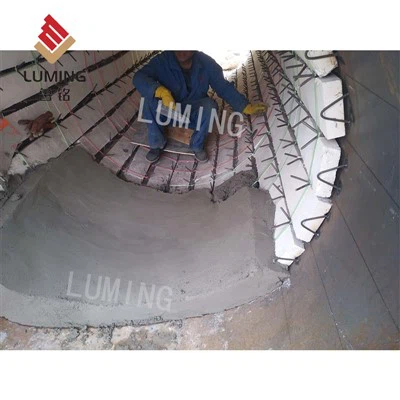
As a seasoned supplier in the cement kiln industry, I've witnessed firsthand how the wear and tear of cement kiln components can have a profound impact on the overall performance of these critical industrial assets. Cement kilns are the heart of the cement manufacturing process, and any decline in their performance can lead to significant operational challenges, increased costs, and reduced product quality. In this blog post, I'll delve into the various ways in which component wear and tear affect cement kiln performance and discuss strategies to mitigate these issues.
Understanding the Cement Kiln and Its Components
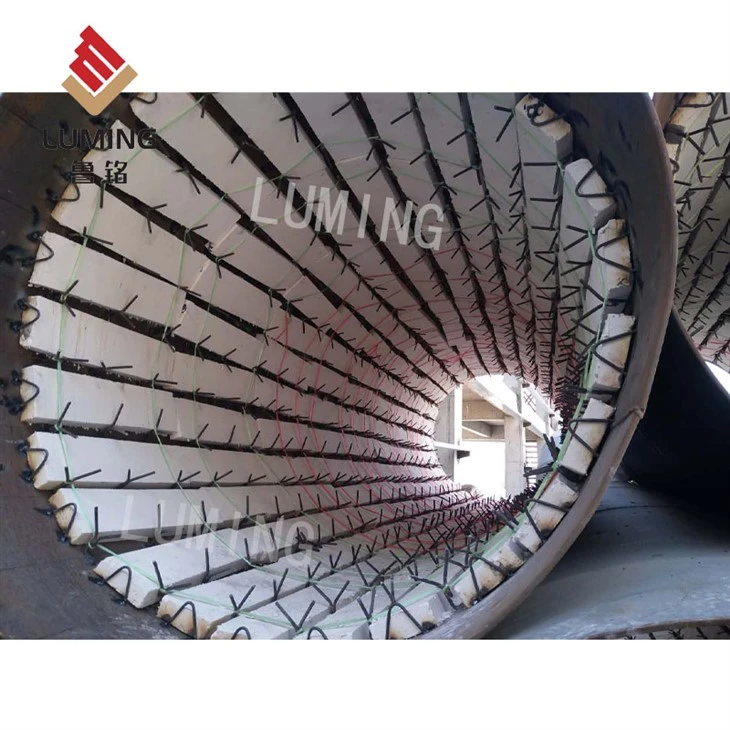
Before we explore the effects of wear and tear, it's essential to understand the basic components of a cement kiln. A typical cement kiln consists of a rotating cylindrical shell, refractory lining, burners, feeders, and various auxiliary equipment. The rotating shell is the primary component where the raw materials are heated and transformed into clinker, the intermediate product in cement manufacturing. The refractory lining protects the shell from the high temperatures and chemical reactions inside the kiln, while the burners provide the heat necessary for the process. Feeders are responsible for introducing the raw materials into the kiln at a controlled rate, and auxiliary equipment such as fans and pumps ensure the proper flow of air and other fluids.
Impact of Wear and Tear on Cement Kiln Performance
1. Reduced Thermal Efficiency
One of the most significant effects of component wear and tear is the reduction in thermal efficiency. As the refractory lining deteriorates over time, it loses its ability to insulate the kiln shell effectively. This results in increased heat loss to the surroundings, requiring more fuel to maintain the desired temperature inside the kiln. Higher fuel consumption not only increases operating costs but also has a negative environmental impact due to increased greenhouse gas emissions. Additionally, uneven wear of the refractory lining can cause hot spots on the kiln shell, leading to thermal stress and potential damage to the shell itself.
2. Decreased Product Quality
Wear and tear on the kiln components can also have a direct impact on the quality of the cement produced. For example, a worn-out burner may not provide a uniform flame, resulting in uneven heating of the raw materials. This can lead to incomplete calcination and the formation of clinker with inconsistent chemical composition and physical properties. As a result, the final cement product may have reduced strength, poor workability, and other quality issues. Similarly, a damaged feeder may introduce the raw materials into the kiln at an irregular rate, causing fluctuations in the kiln's operating conditions and further affecting the product quality.
3. Increased Maintenance and Downtime
As the components of a cement kiln wear out, they require more frequent maintenance and replacement. This not only incurs additional costs but also leads to increased downtime. Downtime is a significant concern for cement manufacturers as it disrupts the production process and can result in lost revenue. Moreover, the maintenance and replacement of worn-out components often require specialized skills and equipment, which can further add to the complexity and cost of the operation.

4. Safety Risks
Worn-out components can also pose safety risks to the operators and maintenance personnel. For instance, a damaged refractory lining may allow hot gases and molten materials to escape from the kiln, posing a burn hazard. A malfunctioning burner or feeder can also cause unexpected explosions or fires, endangering the lives of the workers. Therefore, it is crucial to address the wear and tear of cement kiln components promptly to ensure the safety of the workplace.
Types of Wear and Tear in Cement Kiln Components
1. Abrasion
Abrasion is one of the most common types of wear in cement kilns. It occurs when the raw materials and clinker rub against the kiln components, such as the refractory lining and the kiln shell. The abrasive action can gradually wear away the surface of the components, reducing their thickness and integrity. Abrasion is particularly severe in areas where the flow of materials is high, such as the inlet and outlet of the kiln.
2. Erosion
Erosion is similar to abrasion but is caused by the impact of high-velocity gases and particles on the kiln components. The hot gases and dust inside the kiln can carry abrasive particles that can erode the refractory lining and other components. Erosion is often more pronounced in areas where the gas flow is turbulent, such as near the burners and the fans.
3. Chemical Attack
The high temperatures and chemical reactions inside the cement kiln can also cause chemical attack on the kiln components. The raw materials and the combustion products contain various chemicals, such as sulfur, alkali, and chlorine, which can react with the refractory lining and other components. These chemical reactions can lead to the formation of new compounds that may have different physical and chemical properties than the original components. Over time, the chemical attack can weaken the components and cause them to fail.
4. Thermal Stress
Thermal stress is another significant factor that can contribute to the wear and tear of cement kiln components. The rapid heating and cooling cycles during the operation of the kiln can cause the components to expand and contract, leading to thermal stress. If the thermal stress exceeds the strength of the components, it can cause cracks and other forms of damage. Thermal stress is particularly severe in areas where there are significant temperature gradients, such as the transition zones between the different sections of the kiln.
Strategies to Mitigate the Effects of Wear and Tear
1. Regular Inspection and Maintenance
Regular inspection and maintenance are essential to detect and address the wear and tear of cement kiln components early. By conducting routine inspections, operators can identify any signs of damage or deterioration and take appropriate measures to prevent further damage. This may include repairing or replacing the worn-out components, adjusting the operating parameters, or implementing preventive maintenance measures.
2. Use of High-Quality Components
Using high-quality components is another effective way to mitigate the effects of wear and tear. High-quality refractory materials, burners, feeders, and other components are designed to withstand the harsh operating conditions inside the cement kiln and have a longer service life. Although high-quality components may have a higher upfront cost, they can result in significant savings in the long run by reducing maintenance and replacement costs and improving the overall performance of the kiln.
3. Optimization of Operating Conditions
Optimizing the operating conditions of the cement kiln can also help to reduce the wear and tear of the components. This may include adjusting the fuel-to-air ratio, controlling the temperature and pressure inside the kiln, and ensuring the proper flow of raw materials and gases. By operating the kiln under optimal conditions, the stress on the components can be minimized, and their service life can be extended.
4. Training and Education
Providing training and education to the operators and maintenance personnel is crucial to ensure the proper operation and maintenance of the cement kiln. Operators should be trained to recognize the signs of wear and tear and to take appropriate actions to prevent further damage. Maintenance personnel should be trained in the proper techniques for inspecting, repairing, and replacing the kiln components. By investing in training and education, cement manufacturers can improve the reliability and performance of their kilns and reduce the risk of costly breakdowns.
Conclusion
In conclusion, the wear and tear of cement kiln components can have a significant impact on the performance of these critical industrial assets. Reduced thermal efficiency, decreased product quality, increased maintenance and downtime, and safety risks are some of the key issues associated with component wear and tear. By understanding the types of wear and tear and implementing appropriate strategies to mitigate their effects, cement manufacturers can improve the reliability and performance of their kilns and reduce operating costs.
As a leading supplier of [Cement Kiln], we offer a wide range of high-quality kiln components and services to help our customers optimize the performance of their cement kilns. Our products include [list of products], and our services include [list of services]. Whether you need a new kiln, replacement components, or maintenance and repair services, we have the expertise and experience to meet your needs.
If you're interested in learning more about our products and services or would like to discuss your specific requirements, please don't hesitate to [contact us for procurement and negotiation]. We look forward to working with you to ensure the success of your cement manufacturing operations.
References
- [Author, A. (Year). Title of the book. Publisher.]
- [Author, B. (Year). Title of the article. Journal Name, Volume(Issue), Pages.]
- [Author, C. (Year). Title of the report. Organization Name.]