Can a kiln be used for pottery? This is a question that often arises among pottery enthusiasts and professionals alike. As a supplier of kilns and furnaces, I am well - versed in the capabilities of different types of kilns and can provide a comprehensive answer to this query.


The Basics of Pottery and Kilns
Pottery is an ancient art form that involves shaping clay into various forms and then firing it to harden the clay. The firing process is crucial as it transforms the soft, malleable clay into a durable, solid object. A kiln is a specialized oven designed to reach high temperatures required for this firing process.
There are different types of clay used in pottery, such as earthenware, stoneware, and porcelain. Each type of clay has its own optimal firing temperature range. Earthenware, for example, is typically fired at lower temperatures, around 1,000 - 1,150 degrees Celsius. Stoneware requires higher temperatures, usually between 1,200 - 1,300 degrees Celsius, while porcelain needs even more intense heat, often exceeding 1,300 degrees Celsius.
Types of Kilns Suitable for Pottery
Electric Kilns
Electric kilns are a popular choice for pottery. They are relatively easy to use and control. The temperature can be precisely regulated, which is essential for achieving consistent results. Electric kilns are also clean, as they do not produce smoke or fumes during the firing process. This makes them suitable for use in home studios or small workshops. They are available in various sizes, from small table - top models for hobbyists to large industrial - sized units for professional potters.
Gas Kilns
Gas kilns, on the other hand, offer a different set of advantages. They can heat up more quickly than electric kilns and can reach very high temperatures. Gas kilns also allow for a more variable atmosphere during firing. By adjusting the amount of oxygen in the kiln, potters can create unique effects on the surface of the pottery, such as reduction firing. Reduction firing occurs when there is a limited supply of oxygen in the kiln, which can cause the clay and glazes to react in interesting ways, resulting in rich, deep colors.
Wood - Fired Kilns
Wood - fired kilns are perhaps the most traditional type of kiln used for pottery. They create a very natural and organic look on the pottery. The ash from the burning wood can act as a natural glaze, depositing itself on the surface of the pots. However, wood - fired kilns are more difficult to control compared to electric or gas kilns. The temperature and atmosphere are less predictable, and they require a significant amount of skill and experience to operate effectively.
Our Kiln and Furnace Offerings for Pottery
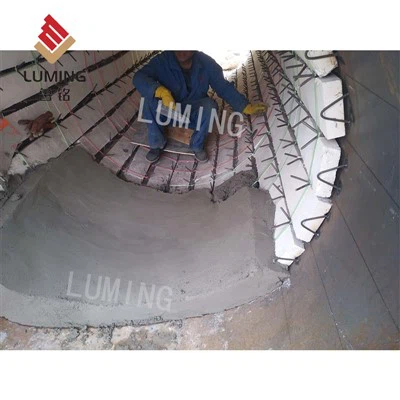
As a kiln and furnace supplier, we offer a wide range of products suitable for pottery. Our Roasting Kiln can be used in some pottery processes, especially when a controlled roasting environment is needed for certain types of clay or glazes. It provides a stable and uniform temperature distribution, ensuring that the pottery is roasted evenly.
Our Pelletizing Rotary Kiln is a high - performance option. Although it is more commonly associated with industrial processes, it can also be adapted for large - scale pottery production. Its rotary design allows for continuous firing, which can increase efficiency and productivity in a pottery manufacturing setting.
The Strontium Salt Kiln is another specialized kiln in our product line. It can be used for specific pottery applications where strontium salts are involved in the glazing or firing process. Strontium salts can have unique effects on the color and texture of the pottery, and our kiln is designed to handle these materials safely and effectively.
Considerations When Using a Kiln for Pottery
Kiln Loading
Proper kiln loading is essential for successful pottery firing. Pots should be placed in the kiln in a way that allows for even heat distribution. Overcrowding the kiln can lead to uneven firing, where some pots may be under - fired while others are over - fired. It is also important to leave enough space between the pots to allow for air circulation.
Glaze Application
Glazes are an important part of pottery, as they can add color, texture, and protection to the pots. Different glazes have different firing requirements. Some glazes may require a single firing, while others may need multiple firings at different temperatures. It is crucial to follow the manufacturer's instructions when applying and firing glazes to ensure the best results.
Safety Precautions
Using a kiln for pottery involves working with high temperatures, so safety is of utmost importance. Kilns should be installed in a well - ventilated area to prevent the buildup of harmful fumes. Protective gear, such as heat - resistant gloves and goggles, should be worn when handling hot pots or operating the kiln. Regular maintenance of the kiln is also necessary to ensure its safe and efficient operation.
Conclusion
In conclusion, a kiln can definitely be used for pottery, and there are various types of kilns available to suit different needs and preferences. Whether you are a hobbyist looking to create unique pieces at home or a professional potter running a large - scale production facility, there is a kiln that can meet your requirements.
As a kiln and furnace supplier, we are committed to providing high - quality products and excellent customer service. If you are interested in purchasing a kiln for your pottery projects, we invite you to contact us for more information and to discuss your specific needs. Our team of experts is ready to assist you in finding the perfect kiln for your pottery endeavors.
References
- "The Complete Potter's Handbook" by Leslie Harrington
- "Pottery: A Comprehensive Guide" by Christopher Cooper
- "Kiln Technology for Potters" by John Britt