Hey there! As a supplier of kilns and furnaces, I often get asked about the lifespan of a kiln. It's a super important question, especially if you're thinking about investing in one. So, let's dive right in and break down what affects a kiln's lifespan and how you can make yours last as long as possible.
First off, what is a kiln anyway? A kiln is a thermally insulated chamber used for the heating, baking, or drying of materials. There are all sorts of kilns out there, each designed for a specific purpose. For example, we've got Zinc Extraction Kiln, which are used in the process of getting zinc from its ores. Then there are Vanadium-titanium Kiln, which play a crucial role in the extraction and processing of vanadium and titanium. And let's not forget about Glass Kiln, where glass is melted and shaped into all kinds of beautiful things.
Now, back to the main question: what's the lifespan of a kiln? Well, it's not a one-size-fits-all answer. A kiln's lifespan can vary widely depending on several factors.
1. Type of Kiln
Different types of kilns have different expected lifespans. For instance, small, hobbyist kilns used for pottery at home might last anywhere from 10 to 15 years with proper care. These are usually smaller in size and operate at relatively lower temperatures compared to industrial kilns.
On the other hand, industrial kilns, like the ones used in large-scale metal extraction or glass manufacturing, can have a lifespan of 20 to 30 years. But this is under ideal conditions, and there are many variables that can shorten or extend this time frame.


2. Quality of Construction
The quality of the materials and workmanship that go into building a kiln is a huge factor. A well-built kiln made with high-quality insulation, heating elements, and a sturdy frame is going to last longer. Cheaper, lower-quality kilns might seem like a good deal at first, but they often end up costing more in the long run due to frequent repairs and a shorter overall lifespan.
3. Frequency of Use
How often you use your kiln matters a lot. If you're running a small pottery studio and only fire your kiln a few times a week, it's going to last longer than a kiln in a large industrial factory that runs 24/7. Constant use puts more wear and tear on the kiln's components, such as the heating elements and the refractory lining.
4. Operating Conditions
The environment in which the kiln operates also affects its lifespan. If the kiln is located in a dirty, dusty area, the dust can get into the components and cause damage over time. High humidity can also lead to corrosion of metal parts. Additionally, extreme temperature fluctuations in the surrounding area can put stress on the kiln's structure.
5. Maintenance and Care
Proper maintenance is key to extending a kiln's lifespan. Regular cleaning, checking and replacing worn-out parts, and following the manufacturer's recommended maintenance schedule can make a huge difference. For example, the heating elements in a kiln will eventually wear out, but if you catch the signs of wear early and replace them, you can prevent more serious damage to the kiln.
Let's take a closer look at some of these factors and how they interact.
Impact of High Temperatures
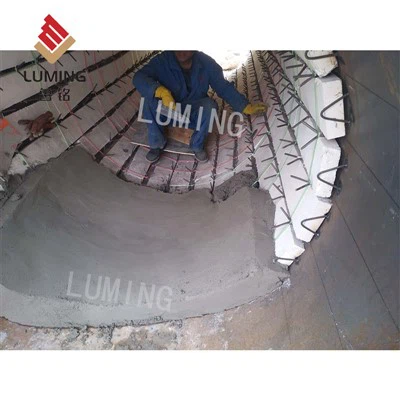
Kilns operate at very high temperatures, and this heat can take a toll on the materials. The refractory lining, which insulates the kiln and protects the outer structure, can gradually break down over time due to thermal stress. As the lining deteriorates, it becomes less effective at retaining heat, which can lead to higher energy consumption and potentially damage other components of the kiln.
Wear and Tear on Heating Elements
The heating elements are one of the most critical parts of a kiln. They're responsible for generating the heat needed for the firing process. Over time, these elements can become brittle and break. The frequency of use and the quality of the elements themselves play a big role in how long they last. If you notice that your kiln isn't reaching the desired temperature or is taking longer to heat up, it could be a sign that the heating elements need to be replaced.
Importance of Regular Inspections
Regular inspections can help you catch problems early. You should check the kiln for any signs of cracks in the refractory lining, loose connections in the electrical system, and wear on the heating elements. It's also a good idea to have a professional technician inspect the kiln periodically, especially for larger industrial kilns. They can identify potential issues that you might not notice and recommend the appropriate repairs or maintenance.
So, how can you make your kiln last as long as possible?
Tips for Extending Kiln Lifespan
- Follow the Manufacturer's Instructions: This might seem obvious, but it's really important. The manufacturer knows the kiln best and can provide you with the most accurate information on how to operate and maintain it.
- Keep the Kiln Clean: Regularly clean the interior and exterior of the kiln to prevent the buildup of dust and debris. Use a soft brush or vacuum cleaner to clean the inside of the kiln after each firing.
- Monitor the Temperature: Make sure you're not overheating the kiln. Running the kiln at temperatures higher than recommended can significantly shorten its lifespan.
- Replace Worn Parts Promptly: Don't wait until a part completely fails before replacing it. If you notice any signs of wear, such as a crack in the refractory lining or a weakening heating element, replace it as soon as possible.
In conclusion, the lifespan of a kiln can vary greatly depending on the type of kiln, its quality, how often it's used, the operating conditions, and how well it's maintained. While a well-cared-for hobbyist kiln might last 10 - 15 years and an industrial kiln 20 - 30 years, these are just estimates. By following the tips I've shared, you can maximize the lifespan of your kiln and get the most out of your investment.
If you're in the market for a new kiln or furnace, or if you have any questions about the ones we offer, don't hesitate to reach out. We're here to help you find the right solution for your needs and ensure that your kiln lasts for many years to come. Whether you're a small business owner or part of a large industrial operation, we've got the expertise and the products to meet your requirements.
References
- Ceramic Kiln Handbook: A Guide to Kiln Operation and Maintenance
- Industrial Furnace and Kiln Technology by John Doe
- Best Practices for Kiln Maintenance and Longevity, Industry Report 2023