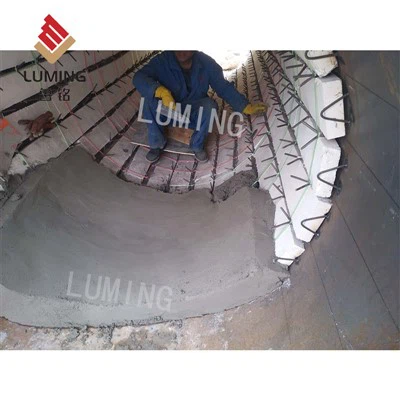
Hey there! As a ramming mass supplier, I often get asked about the drying process of ramming mass. It's a crucial step that can significantly impact the performance and longevity of the ramming mass in various applications. So, let's dive right into it and explore what the drying process of ramming mass is all about.
What is Ramming Mass?
Before we get into the drying process, let's quickly go over what ramming mass is. Ramming mass is an unshaped refractory material that's used in a variety of high - temperature applications, like furnaces, ladles, and kilns. It's typically made up of different refractory aggregates, binders, and additives. Depending on the specific application, we have different types of ramming mass, such as Sic - based Ramming Mix, Zirconia - based Ramming Mix, and Magnesia - based Ramming Mix.
Why is Drying Important?
The drying process of ramming mass is super important. When ramming mass is installed, it usually contains some amount of moisture. This moisture can come from the mixing water, humidity in the environment, or even the raw materials themselves. If this moisture isn't removed properly, it can cause a whole bunch of problems.


For starters, when the ramming mass is heated up during use, the moisture inside will turn into steam. If the steam can't escape quickly enough, it can build up pressure within the ramming mass. This pressure can lead to cracking, spalling, and even explosion in extreme cases. Also, the presence of moisture can affect the chemical and physical properties of the ramming mass, reducing its refractory performance and overall durability.
The Drying Process
Initial Drying
The first stage of the drying process is the initial drying. Right after the ramming mass is installed, it's important to start the drying process as soon as possible. This is usually done at a relatively low temperature, around 50 - 100°C (122 - 212°F). The low temperature helps to slowly evaporate the free water in the ramming mass.
During this stage, the heat source can be something like an electric heater or a gas burner. The key is to make sure the heat is evenly distributed across the ramming mass. If the heat is too concentrated in one area, it can cause uneven drying and lead to cracking. This initial drying stage can take anywhere from a few hours to a couple of days, depending on the thickness and size of the ramming mass installation.
Intermediate Drying
After the initial drying, we move on to the intermediate drying stage. At this point, most of the free water has been removed, but there's still some bound water in the ramming mass. The temperature is gradually increased to around 100 - 300°C (212 - 572°F).
This stage is crucial because it helps to break the chemical bonds between the water molecules and the ramming mass particles. As the temperature rises, the bound water is released. It's important to increase the temperature slowly during this stage. A rapid increase in temperature can cause the steam to form too quickly, leading to internal stress and potential damage to the ramming mass. The intermediate drying stage can take several days, especially for thick installations.
Final Drying
The final drying stage is when the temperature is further increased to around 300 - 600°C (572 - 1112°F). At this high temperature, any remaining moisture is completely removed. This stage also helps to strengthen the ramming mass by promoting the sintering process. Sintering is when the particles in the ramming mass start to bond together, increasing its density and strength.
During the final drying, it's important to monitor the temperature closely. The heat source should be adjusted to maintain a stable temperature increase. Once the ramming mass reaches the target temperature, it's usually held there for a certain period of time to ensure complete drying and proper sintering. This holding time can range from a few hours to a day or more.
Factors Affecting the Drying Process
Ramming Mass Composition
The composition of the ramming mass plays a big role in the drying process. Different types of ramming mass, such as Sic - based, zirconia - based, or magnesia - based, have different physical and chemical properties. For example, some ramming masses may have a higher porosity, which allows moisture to escape more easily. Others may have a more complex chemical structure that requires a specific drying profile.
Installation Thickness
The thickness of the ramming mass installation is another important factor. Thicker installations take longer to dry because the heat needs to penetrate deeper to reach the inner layers. In some cases, additional heat sources or longer drying times may be required for thick installations.
Environmental Conditions
The environmental conditions, such as humidity and temperature, can also affect the drying process. If the environment is very humid, it can slow down the drying process. In such cases, it may be necessary to use dehumidifiers or increase the heat input to compensate for the extra moisture in the air.
Tips for a Successful Drying Process
- Plan Ahead: Before installing the ramming mass, have a detailed drying plan in place. Consider the type of ramming mass, the installation thickness, and the available heat sources.
- Monitor Temperature: Use temperature sensors to closely monitor the temperature during the drying process. This helps to ensure that the temperature is increasing at the right rate and that there are no hot spots.
- Keep Records: Keep a record of the temperature, time, and any observations during the drying process. This can be useful for future installations and troubleshooting.
Conclusion
The drying process of ramming mass is a critical step that shouldn't be overlooked. A proper drying process can ensure the performance and longevity of the ramming mass in high - temperature applications. By following the right drying procedures, taking into account the factors that affect the drying process, and using the right tips, you can avoid many of the problems associated with improper drying.
If you're in the market for high - quality ramming mass or have any questions about the drying process, feel free to reach out. We're here to help you with all your ramming mass needs and ensure that you get the best results for your applications.
References
- "Refractory Materials Handbook"
- Industry research papers on ramming mass drying processes.