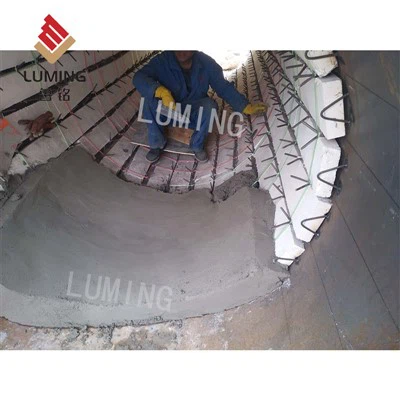
Hey there! As a supplier of refractory mortar, I get asked a lot about the difference between normal and special refractory mortar. So, I thought I'd take a few minutes to break it down for you.
First off, let's talk about what refractory mortar is. Refractory mortar is a type of mortar that's designed to withstand high temperatures. It's used in applications where regular mortar just won't cut it, like in fireplaces, kilns, and industrial furnaces.
Now, let's get into the difference between normal and special refractory mortar.
Normal Refractory Mortar
Normal refractory mortar is the most common type of refractory mortar. It's made from a combination of refractory aggregates, such as fire clay, and a binder, like cement. This type of mortar is great for general-purpose applications where the temperature doesn't get too extreme.
One of the main advantages of normal refractory mortar is its affordability. It's generally less expensive than special refractory mortar, making it a popular choice for budget-conscious projects. It's also relatively easy to work with, which means that even DIYers can handle it without too much trouble.
However, normal refractory mortar does have its limitations. It's not designed to withstand extremely high temperatures or harsh chemical environments. If you're working on a project that involves temperatures above 2000°F (1093°C) or corrosive chemicals, you'll need to use special refractory mortar.
Special Refractory Mortar
Special refractory mortar, on the other hand, is designed for more demanding applications. It's made from high-quality refractory materials, such as Corundum Refractory Slurry, Silicon Carbide Refractory Mud, or Magnesia Refractory Mud, and is formulated to withstand extreme temperatures, harsh chemicals, and mechanical stress.
There are several types of special refractory mortar, each with its own unique properties and applications. Here are a few examples:
- High-Alumina Refractory Mortar: This type of mortar is made from high-alumina aggregates and a special binder. It's designed to withstand temperatures up to 3000°F (1649°C) and is commonly used in industrial furnaces, kilns, and other high-temperature applications.
- Silicon Carbide Refractory Mortar: Silicon carbide is a very hard and wear-resistant material. Silicon carbide refractory mortar is ideal for applications where abrasion and erosion are a concern, such as in the lining of coal-fired boilers and incinerators.
- Magnesia Refractory Mortar: Magnesia is a highly refractory material that can withstand temperatures up to 4000°F (2204°C). Magnesia refractory mortar is often used in the steel industry, where it's used to line ladles, tundishes, and other steelmaking equipment.
The main advantage of special refractory mortar is its superior performance. It can withstand much higher temperatures and more severe conditions than normal refractory mortar, which means that it will last longer and require less maintenance. However, this superior performance comes at a cost. Special refractory mortar is generally more expensive than normal refractory mortar, and it can be more difficult to work with.
Choosing the Right Refractory Mortar
So, how do you choose between normal and special refractory mortar? The answer depends on several factors, including the temperature and chemical environment of your application, your budget, and your level of experience.
If you're working on a project that involves relatively low temperatures and no harsh chemicals, normal refractory mortar should be sufficient. It's affordable, easy to work with, and will get the job done.


However, if you're working on a project that involves high temperatures, harsh chemicals, or mechanical stress, you'll need to use special refractory mortar. While it may be more expensive and difficult to work with, it will provide the performance and durability that you need.
Here are a few tips to help you choose the right refractory mortar for your project:
- Consider the Temperature: The first thing you need to consider is the temperature of your application. Make sure that the refractory mortar you choose can withstand the maximum temperature that it will be exposed to.
- Evaluate the Chemical Environment: If your application involves corrosive chemicals, you'll need to choose a refractory mortar that is resistant to those chemicals. Some types of refractory mortar are more resistant to certain chemicals than others, so make sure to do your research.
- Think About Your Budget: Refractory mortar can vary widely in price, so it's important to consider your budget when making your decision. While special refractory mortar may offer better performance, it may not be necessary for every project.
- Consider Your Level of Experience: If you're a DIYer or have limited experience working with refractory materials, you may want to choose a normal refractory mortar that is easier to work with. Special refractory mortar can be more challenging to mix and apply, so it may be best left to the professionals.
Conclusion
In conclusion, the difference between normal and special refractory mortar lies in their composition, performance, and cost. Normal refractory mortar is suitable for general-purpose applications where the temperature and chemical environment are relatively mild. It's affordable and easy to work with, making it a popular choice for DIYers and budget-conscious projects.
On the other hand, special refractory mortar is designed for more demanding applications that involve high temperatures, harsh chemicals, or mechanical stress. It's made from high-quality refractory materials and offers superior performance and durability, but it comes at a higher cost and can be more difficult to work with.
When choosing between normal and special refractory mortar, it's important to consider the temperature and chemical environment of your application, your budget, and your level of experience. By doing so, you can ensure that you choose the right refractory mortar for your project and get the best results.
If you're still not sure which type of refractory mortar is right for you, or if you have any other questions about our products, don't hesitate to reach out. We're here to help you find the perfect solution for your needs. Whether you're a professional contractor or a DIY enthusiast, we've got the expertise and the products to get your project done right. Contact us today to start the conversation and let's work together to make your project a success.
References
- "Refractory Materials Handbook." McGraw-Hill Professional, 2008.
- "High Temperature Technology: Principles and Practice." Woodhead Publishing, 2012.
- Various industry standards and technical documents related to refractory materials.