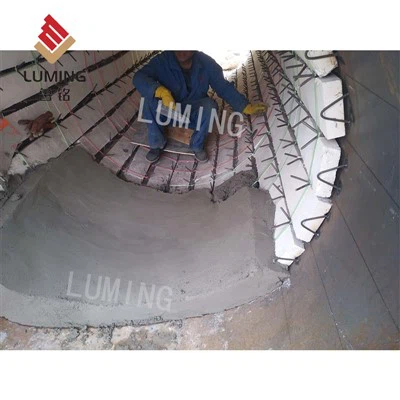
What is the capacity of a typical Ferronickel Kiln?
As a supplier of Ferronickel Kilns, I've had numerous conversations with clients about the capacity of these crucial industrial units. Understanding the capacity of a typical Ferronickel Kiln is essential for anyone involved in the ferronickel production process, whether it's a small - scale operation or a large - scale industrial venture.
The capacity of a Ferronickel Kiln is not a one - size - fits - all metric. It is influenced by a variety of factors, including the design of the kiln, the type of raw materials used, and the technological advancements incorporated into its construction.
Design - based Capacity Variations
Ferronickel Kilns come in different designs, such as rotary kilns and shaft kilns. Rotary kilns are widely used in the ferronickel industry due to their flexibility and efficiency. A typical medium - sized rotary Ferronickel Kiln can have a daily production capacity ranging from 50 to 200 tons of ferronickel. This capacity can be adjusted based on the length and diameter of the kiln. Longer and wider kilns generally have a higher capacity because they provide more space for the reaction between the raw materials and the heat source.
Shaft kilns, on the other hand, are more suitable for smaller - scale operations. A standard shaft Ferronickel Kiln may have a daily capacity of around 10 to 50 tons. The design of the shaft kiln allows for a more vertical flow of materials, which can be advantageous in terms of energy efficiency but may limit the overall production volume compared to larger rotary kilns.
Influence of Raw Materials
The type and quality of raw materials used in the ferronickel production process also play a significant role in determining the kiln's capacity. If the raw materials have a high nickel content and are easily reducible, the kiln can operate more efficiently and achieve a higher production capacity. For example, using nickel laterite ores with a relatively high nickel grade can lead to a more productive kiln operation.
Conversely, if the raw materials are of poor quality, contain a high amount of impurities, or are difficult to process, the kiln's capacity may be reduced. The presence of certain impurities can cause issues such as clogging in the kiln, which can disrupt the production process and lower the overall output.
Technological Advancements
In recent years, technological advancements have had a profound impact on the capacity of Ferronickel Kilns. Modern kilns are equipped with advanced control systems that can optimize the temperature, airflow, and other parameters in real - time. This allows for a more precise and efficient operation, resulting in an increased production capacity.
For instance, the use of advanced refractory materials in the kiln lining can improve heat retention and reduce heat loss. This not only saves energy but also enables the kiln to maintain a more stable temperature, which is crucial for the chemical reactions involved in ferronickel production. As a result, the kiln can operate at a higher capacity without sacrificing the quality of the final product.
Comparing with Other Industrial Kilns
It's interesting to compare the capacity of Ferronickel Kilns with other types of industrial kilns. For example, Strontium Salt Kiln is designed for the production of strontium salts. These kilns typically have a different set of requirements and capacities. Strontium Salt Kilns may have a daily capacity ranging from a few tons to tens of tons, depending on their size and design.
Lithium Industry Kilns are used in the lithium production process. The capacity of these kilns can vary widely, from small - scale units with a capacity of a few kilograms per day for research and development purposes to large - scale industrial kilns that can produce several tons of lithium - related products daily.
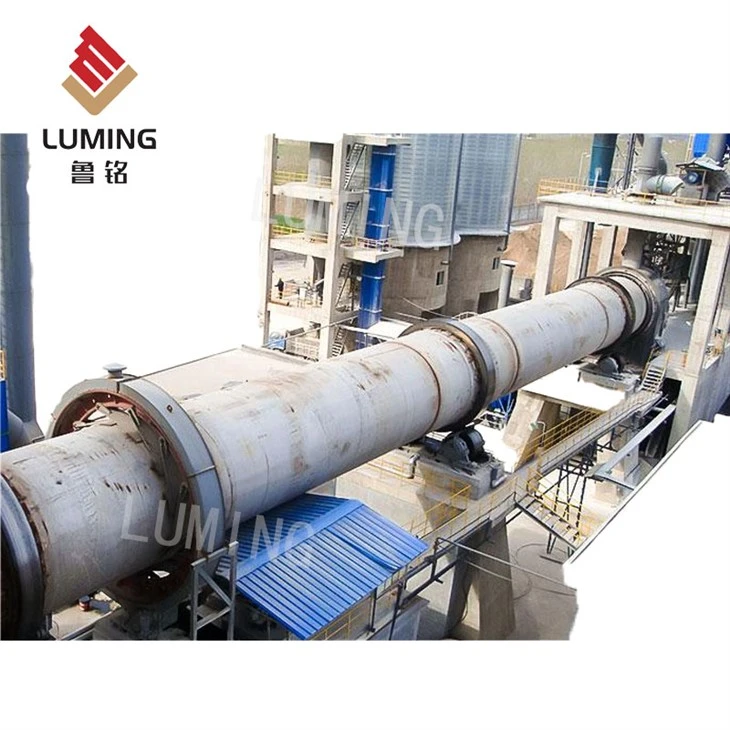

Magnesium Metal Reduction Furnace is another type of industrial furnace. Its capacity is often measured in terms of the amount of magnesium metal produced per day. A typical Magnesium Metal Reduction Furnace may have a capacity of 10 to 50 tons per day, depending on its design and operating conditions.
Meeting the Market Demand
In the current market, the demand for ferronickel is steadily increasing, especially in the stainless - steel industry. As a Ferronickel Kiln supplier, we understand the importance of providing kilns with the right capacity to meet our clients' needs. Whether it's a small - scale operation looking for a cost - effective solution or a large - scale industrial plant aiming for high - volume production, we can offer customized Ferronickel Kilns.
We work closely with our clients to understand their specific requirements, including the desired production capacity, the type of raw materials they will use, and their budget. Based on this information, we can design and manufacture a Ferronickel Kiln that is optimized for their particular situation.
Contact for Procurement
If you are in the market for a Ferronickel Kiln and want to discuss your specific capacity requirements, we are here to help. Our team of experts has extensive experience in the design and production of Ferronickel Kilns. We can provide you with detailed information about the different types of kilns available, their capacities, and the associated costs.
Don't hesitate to reach out to us to start a conversation about how we can meet your ferronickel production needs. Whether you are just starting your project or looking to upgrade your existing kiln, we have the solutions to help you achieve your goals.
References
- "Industrial Kilns and Furnaces: Principles, Design, and Operation" by John Smith.
- "Advances in Ferronickel Production Technology" published by the International Journal of Metallurgy.
- "Kiln Design and Optimization for Different Industrial Applications" by the Institute of Industrial Furnace Engineering.