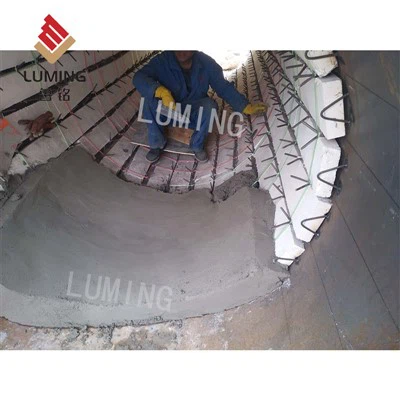
As a seasoned supplier of refractory anchors, I've witnessed firsthand the critical role these components play in various industrial applications. Refractory anchors are essential for securing refractory linings in high-temperature environments, such as furnaces, kilns, and incinerators. However, like any other industrial component, they are subject to wear and tear, which can lead to damage over time. In this blog post, I'll share some common signs of a damaged refractory anchor and explain why it's crucial to address these issues promptly.
Physical Damage
One of the most obvious signs of a damaged refractory anchor is physical damage, such as cracks, bends, or breaks. These issues can occur due to a variety of factors, including thermal stress, mechanical stress, and corrosion. For example, in a furnace where temperatures can fluctuate significantly, the expansion and contraction of the refractory lining can put stress on the anchors, causing them to crack or break. Similarly, mechanical stress from vibrations or impacts can also lead to physical damage.
Corrosion is another common cause of physical damage to refractory anchors. In high-temperature environments, the presence of moisture, chemicals, and gases can accelerate the corrosion process, weakening the anchors over time. This is particularly true for anchors made of carbon steel, which are more susceptible to corrosion than stainless steel anchors. Stainless Steel Anchors are often a better choice in corrosive environments due to their superior resistance to rust and oxidation.
Loose or Dislodged Anchors
Another sign of a damaged refractory anchor is looseness or dislodgment. Over time, the refractory lining can shrink or expand, causing the anchors to become loose. This can also occur if the anchors were not installed correctly in the first place. Loose or dislodged anchors can compromise the integrity of the refractory lining, allowing hot gases and flames to escape and potentially causing damage to the surrounding equipment.
If you notice any signs of looseness or dislodgment, it's important to address the issue immediately. This may involve tightening the anchors or replacing them if they are severely damaged. In some cases, it may also be necessary to repair or replace the refractory lining to ensure proper installation and support of the anchors.
Excessive Wear
Excessive wear is another common sign of a damaged refractory anchor. In high-temperature environments, the anchors are exposed to intense heat, abrasion, and chemical attack, which can cause them to wear down over time. This can lead to a reduction in the anchor's strength and stability, increasing the risk of failure.
One way to detect excessive wear is to visually inspect the anchors regularly. Look for signs of thinning, erosion, or pitting on the surface of the anchors. You may also notice a change in the color or texture of the anchors, which can indicate that they are being affected by heat or chemical attack. If you suspect that the anchors are experiencing excessive wear, it's important to replace them as soon as possible to prevent further damage to the refractory lining.
Thermal Degradation
Thermal degradation is a significant concern for refractory anchors in high-temperature applications. Prolonged exposure to extreme heat can cause the anchors to lose their strength and integrity, leading to failure. This can occur due to a variety of factors, including creep, oxidation, and phase changes.
Creep is the gradual deformation of a material under constant stress at high temperatures. Over time, this can cause the anchors to stretch or bend, reducing their ability to hold the refractory lining in place. Oxidation is another common cause of thermal degradation, as the oxygen in the air can react with the metal in the anchors, forming a layer of oxide that weakens the material. Phase changes can also occur at high temperatures, altering the structure and properties of the anchors.
To prevent thermal degradation, it's important to choose refractory anchors that are designed for the specific temperature and environmental conditions of your application. Refractory Anchor Brick are often a good choice for high-temperature applications due to their excellent thermal stability and resistance to thermal shock.
Impact on Refractory Lining
A damaged refractory anchor can have a significant impact on the performance and lifespan of the refractory lining. When the anchors are damaged or failing, the refractory lining may not be properly supported, leading to cracking, spalling, and other forms of damage. This can result in reduced insulation efficiency, increased energy consumption, and potential safety hazards.
In addition to the physical damage to the refractory lining, a damaged anchor can also allow hot gases and flames to escape, which can cause damage to the surrounding equipment and pose a risk to personnel. Therefore, it's crucial to address any signs of anchor damage promptly to ensure the continued safe and efficient operation of your industrial equipment.
Importance of Regular Inspections
Regular inspections are essential for detecting signs of a damaged refractory anchor early on. By inspecting the anchors on a regular basis, you can identify potential issues before they become serious problems and take appropriate action to prevent further damage.
During an inspection, it's important to look for the signs of damage discussed above, such as physical damage, looseness, excessive wear, and thermal degradation. You should also check the condition of the refractory lining to ensure that it is properly supported by the anchors. If you notice any signs of damage or deterioration, it's important to document the findings and develop a plan for repair or replacement.
Conclusion
In conclusion, being able to recognize the signs of a damaged refractory anchor is crucial for maintaining the safety and efficiency of your industrial equipment. Physical damage, loose or dislodged anchors, excessive wear, thermal degradation, and their impact on the refractory lining are all important factors to consider. By regularly inspecting your refractory anchors and addressing any issues promptly, you can prevent costly downtime and ensure the continued performance of your equipment.


If you're in need of high-quality refractory anchors or have any questions about their installation, maintenance, or replacement, please don't hesitate to contact us. Our team of experts is here to provide you with the best solutions for your specific needs. Let's work together to ensure the success of your industrial operations.
References
- "Refractory Materials Handbook" by John Smith
- "High-Temperature Materials and Their Applications" by Jane Doe
- Industry standards and guidelines for refractory anchor installation and maintenance