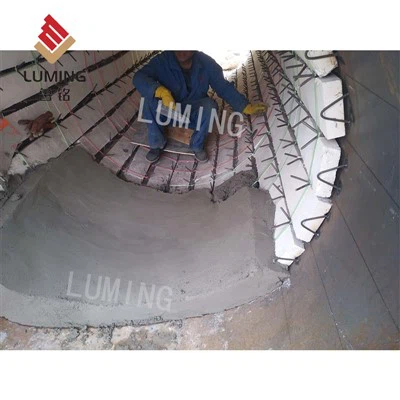
Hey there! As a ramming mass supplier, I've been in the industry for quite some time, and I've seen firsthand the benefits and potential drawbacks of these materials. Ramming mass is widely used in various industrial applications, such as foundries, steel mills, and glass manufacturing. It's a crucial component that helps line furnaces and other high-temperature equipment, providing insulation and protection. But, like many industrial materials, ramming mass also comes with some health hazards that we need to be aware of.
First off, let's talk about the types of ramming mass. There are several kinds available on the market, each with its own unique properties and uses. For instance, Alumina-silica Ramming Mix is known for its high refractoriness and good thermal shock resistance. It's commonly used in applications where the temperature can get pretty high. Then, there's Magnesia-based Ramming Mix, which has excellent resistance to basic slags and is often used in steelmaking processes. And Zirconia-based Ramming Mix is valued for its high melting point and chemical stability, making it suitable for some specialized high-temperature applications.
Now, let's dive into the health hazards. One of the major concerns with ramming mass is the presence of dust. When ramming mass is being handled, like during mixing, installation, or maintenance, fine dust particles can be released into the air. These dust particles can contain various substances, some of which are harmful to our health.
Silica is one of the most common components in ramming mass, especially in alumina-silica ramming mixes. Inhaling silica dust over a long period can lead to a serious lung disease called silicosis. Silicosis is a progressive and irreversible condition that causes scarring of the lungs. Symptoms can include shortness of breath, coughing, and chest pain. In severe cases, it can even lead to respiratory failure. And it's not just silicosis; long - term exposure to silica dust is also linked to an increased risk of lung cancer, chronic obstructive pulmonary disease (COPD), and tuberculosis.
Another potential hazard is the presence of heavy metals in some ramming mass formulations. For example, some magnesia - based ramming mixes might contain trace amounts of heavy metals like lead, cadmium, or chromium. These heavy metals can be absorbed into the body through inhalation or ingestion. Once in the body, they can accumulate over time and cause a range of health problems. Lead, for instance, can affect the nervous system, especially in children, leading to learning difficulties and behavioral problems. Cadmium can damage the kidneys and bones, and chromium compounds can be carcinogenic.
In addition to dust and heavy metals, some ramming mass products may contain binders or additives that can also pose health risks. Some of these binders can release volatile organic compounds (VOCs) when heated or during the curing process. VOCs can cause irritation to the eyes, nose, and throat. They can also have more serious long - term effects on the respiratory system and the central nervous system.
So, what can we do to minimize these health hazards? Well, proper ventilation is crucial. When working with ramming mass, it's important to have good ventilation systems in place to remove dust and fumes from the work area. This can be as simple as using exhaust fans or working in well - ventilated outdoor areas.
Personal protective equipment (PPE) is also a must. Workers should wear appropriate respirators to filter out dust particles. Safety goggles and gloves can protect the eyes and hands from direct contact with the ramming mass. And of course, workers should follow proper handling and storage procedures. For example, ramming mass should be stored in a dry place to prevent the growth of mold or other contaminants.
Regular health monitoring is another important step. Workers who are regularly exposed to ramming mass should have regular medical check - ups to detect any early signs of health problems. This way, if any issues are found, they can be addressed promptly.
As a ramming mass supplier, I understand the importance of providing high - quality products while also ensuring the safety of the people who use them. That's why we're constantly working on improving our formulations to reduce the presence of harmful substances. We also provide detailed safety data sheets with all our products, which include information about the potential health hazards and how to handle the products safely.
If you're in the market for ramming mass, whether it's Alumina-silica Ramming Mix, Magnesia-based Ramming Mix, or Zirconia-based Ramming Mix, we've got you covered. We can offer you products that meet your specific needs and are as safe as possible. If you have any questions about our products or want to discuss your requirements, don't hesitate to reach out. We're here to help you make the right choice for your business.


References:
- Occupational Safety and Health Administration (OSHA). "Silica, Crystalline - Health Effects."
- World Health Organization (WHO). "Heavy Metals and Human Health."
- National Institute for Occupational Safety and Health (NIOSH). "Respiratory Protection in the Workplace."