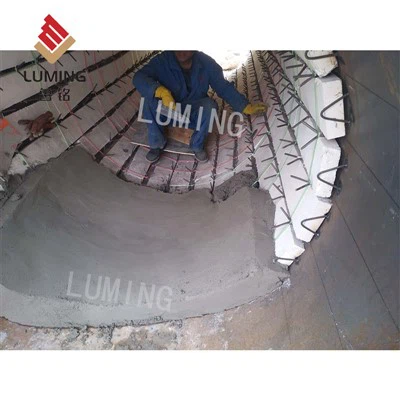
In the dynamic landscape of industrial manufacturing, glass kilns stand as a cornerstone technology, fueling the production of a wide array of glass products that are integral to modern life. As a leading Glass Kiln supplier, I am constantly attuned to the evolving trends and innovations shaping the future of this industry. In this blog post, I will delve into the key future trends of glass kiln technology, exploring how these advancements are set to revolutionize the way we produce glass.
Energy Efficiency and Sustainability
One of the most prominent trends in glass kiln technology is the increasing emphasis on energy efficiency and sustainability. With growing concerns about climate change and the need to reduce carbon emissions, glass manufacturers are under pressure to adopt more environmentally friendly practices. Glass kilns are notorious for their high energy consumption, accounting for a significant portion of a glass plant's total energy usage. As a result, there is a growing demand for kilns that can operate more efficiently, reducing energy consumption and minimizing environmental impact.
To address this challenge, manufacturers are developing new technologies and materials that can improve the energy efficiency of glass kilns. For example, advanced insulation materials can reduce heat loss, while regenerative burners can recover and reuse waste heat, increasing the overall efficiency of the kiln. Additionally, the use of alternative fuels, such as natural gas, biomass, and hydrogen, is becoming more widespread, as these fuels produce fewer emissions than traditional fossil fuels.
As a Glass Kiln supplier, we are committed to developing and supplying energy-efficient kilns that meet the evolving needs of our customers. Our kilns are designed with the latest technologies and materials to minimize energy consumption and maximize productivity. We also offer a range of services, including energy audits and optimization, to help our customers reduce their energy costs and environmental impact.
Automation and Digitalization
Another significant trend in glass kiln technology is the increasing use of automation and digitalization. With the advent of Industry 4.0, glass manufacturers are looking to leverage the latest technologies, such as artificial intelligence, machine learning, and the Internet of Things (IoT), to improve the efficiency and productivity of their kilns.
Automation can help to reduce human error and improve the consistency and quality of glass production. For example, automated control systems can monitor and adjust the temperature, pressure, and other parameters of the kiln in real-time, ensuring that the glass is produced at the optimal conditions. Additionally, robots and other automated equipment can be used to handle and transport the glass, reducing the risk of damage and improving the safety of the workplace.
Digitalization can also provide valuable insights into the performance of the kiln, allowing manufacturers to identify and address issues before they become major problems. For example, IoT sensors can collect data on the temperature, pressure, and other parameters of the kiln, which can be analyzed using machine learning algorithms to identify patterns and trends. This data can then be used to optimize the operation of the kiln, reducing energy consumption and improving productivity.
As a Glass Kiln supplier, we are at the forefront of the automation and digitalization revolution. Our kilns are equipped with the latest automation and control systems, which can be integrated with other manufacturing systems to create a fully automated glass production line. We also offer a range of digital services, such as remote monitoring and predictive maintenance, to help our customers optimize the performance of their kilns and reduce downtime.
Advanced Materials and Design
The development of advanced materials and design is also driving the future of glass kiln technology. As glass manufacturers look to produce higher quality and more specialized glass products, they require kilns that can operate at higher temperatures and pressures, and that can handle a wider range of materials.
Advanced materials, such as refractory ceramics and high-temperature alloys, are being used to construct the kiln lining and other components, improving the durability and performance of the kiln. Additionally, new design concepts, such as modular kilns and continuous melting furnaces, are being developed to improve the flexibility and efficiency of glass production.
As a Glass Kiln supplier, we are constantly researching and developing new materials and design concepts to meet the evolving needs of our customers. Our kilns are designed with the latest technologies and materials to ensure that they can operate at the highest temperatures and pressures, and that they can handle a wide range of glass products. We also offer a range of customization options, allowing our customers to tailor the kiln to their specific requirements.
Integration with Other Technologies
Finally, the future of glass kiln technology is likely to involve greater integration with other technologies, such as renewable energy sources, water treatment systems, and waste management systems. As glass manufacturers look to reduce their environmental impact and improve the sustainability of their operations, they are increasingly looking to integrate their kilns with other technologies that can help them achieve these goals.
For example, glass kilns can be integrated with solar panels or wind turbines to generate renewable energy, reducing the reliance on traditional fossil fuels. Additionally, water treatment systems can be used to recycle and reuse water, reducing the water consumption of the kiln. Waste management systems can also be used to recycle and reuse waste glass and other materials, reducing the environmental impact of glass production.
As a Glass Kiln supplier, we are committed to working with our customers to develop integrated solutions that meet their specific needs. We have a team of experts who can help our customers to identify and implement the latest technologies and solutions, ensuring that their kilns are as efficient, sustainable, and productive as possible.
Conclusion
In conclusion, the future of glass kiln technology is bright, with a range of exciting trends and innovations on the horizon. Energy efficiency and sustainability, automation and digitalization, advanced materials and design, and integration with other technologies are all likely to play a significant role in shaping the future of glass production.
As a Glass Kiln supplier, we are committed to staying at the forefront of these trends and innovations, and to developing and supplying the latest technologies and solutions to our customers. We believe that by working together with our customers, we can help to create a more sustainable and efficient future for the glass industry.
If you are interested in learning more about our Glass Kilns or our services, please contact us today. We would be happy to discuss your specific needs and requirements and to provide you with a customized solution that meets your expectations.


References
- Smith, J. (2020). The Future of Glass Kiln Technology. Glass Industry Journal, 45(2), 34-42.
- Jones, A. (2019). Energy Efficiency in Glass Kilns: Trends and Technologies. Journal of Sustainable Manufacturing, 12(3), 56-63.
- Brown, R. (2018). Automation and Digitalization in Glass Production. International Journal of Advanced Manufacturing Technology, 95(7-8), 2531-2540.
- Green, S. (2017). Advanced Materials for Glass Kilns. Refractory Technology, 32(4), 12-18.
- White, T. (2016). Integration of Glass Kilns with Renewable Energy Sources. Renewable Energy, 90, 345-352.