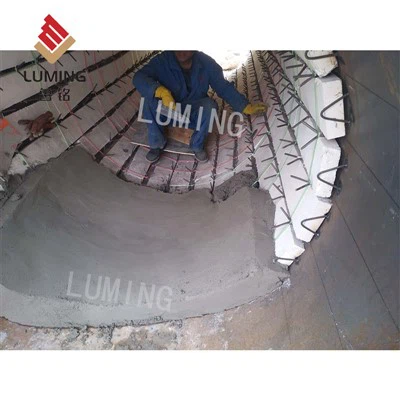
In today's rapidly evolving industrial landscape, the technology behind roasting kilns is undergoing significant transformations. As a leading roasting kiln supplier, we are at the forefront of these changes, constantly innovating to meet the diverse needs of our clients. This blog post will explore the future trends in roasting kiln technology, highlighting how these advancements are shaping the industry and what it means for businesses looking to invest in this essential equipment.
1. Energy Efficiency and Sustainability
One of the most prominent trends in roasting kiln technology is the drive towards greater energy efficiency and sustainability. With increasing concerns about climate change and rising energy costs, industries are under pressure to reduce their carbon footprint and optimize energy consumption. Roasting kiln manufacturers are responding by developing innovative technologies that minimize energy waste and maximize the utilization of heat.


For instance, the implementation of advanced insulation materials and heat recovery systems has become standard in modern roasting kilns. These systems capture and reuse the heat that would otherwise be wasted, improving the overall energy efficiency of the kiln. Additionally, the use of alternative energy sources, such as biomass, solar, and geothermal energy, is gaining traction in the industry. By integrating these renewable energy sources into roasting kiln operations, businesses can reduce their reliance on fossil fuels and significantly lower their greenhouse gas emissions.
Another aspect of energy efficiency in roasting kiln technology is the development of more precise temperature control systems. Accurate temperature regulation not only ensures consistent product quality but also reduces energy consumption by minimizing overheating. Utilizing sensors and automation technology, modern roasting kilns can maintain optimal temperature levels throughout the roasting process, resulting in significant energy savings over time.
2. Automation and Digitalization
The integration of automation and digitalization is revolutionizing the way roasting kilns are operated and managed. Automation technologies, such as programmable logic controllers (PLCs) and robotics, are being increasingly used to streamline the roasting process, improve productivity, and reduce human error.
PLCs allow for precise control of various kiln parameters, such as temperature, airflow, and roasting time. This level of control ensures consistent product quality and reduces the risk of product defects. Additionally, robots can be used for tasks such as loading and unloading the kiln, which not only improves efficiency but also enhances worker safety by reducing their exposure to hazardous environments.
Digitalization is also transforming the way roasting kilns are monitored and maintained. The use of Internet of Things (IoT) sensors and data analytics enables real-time monitoring of kiln performance, allowing operators to detect and address issues before they escalate. Predictive maintenance algorithms can analyze historical data to predict when components are likely to fail, enabling proactive maintenance and minimizing downtime.
Furthermore, digitalization facilitates remote operation and monitoring of roasting kilns. Operators can access kiln data and control systems from anywhere in the world using a computer or mobile device, providing greater flexibility and convenience. This remote access also allows for quick response times to any unexpected events or emergencies.
3. Improved Product Quality and Customization
As industries become more competitive, the demand for high-quality and customized products is on the rise. Roasting kiln technology is evolving to meet these demands by offering greater control over the roasting process and the ability to produce a wider range of products.
Advanced roasting kilns are equipped with features that allow for precise control of the roasting environment, including temperature, humidity, and airflow. This level of control enables manufacturers to optimize the roasting process for different types of materials, resulting in improved product quality, flavor, and aroma. For example, in the coffee industry, precise roasting control is essential for achieving the desired flavor profile of different coffee beans.
In addition to improved product quality, modern roasting kilns also offer greater customization options. Manufacturers can now design kilns to meet specific production requirements, such as capacity, temperature range, and roasting time. This customization allows businesses to produce unique products that differentiate them from their competitors and meet the specific needs of their customers.
4. Enhanced Safety Features
Safety is always a top priority in industrial settings, and roasting kiln technology is no exception. Manufacturers are continuously developing new safety features to protect workers and prevent accidents.
One of the key safety features in modern roasting kilns is the use of advanced fire and explosion prevention systems. These systems are designed to detect and suppress fires and explosions before they occur, minimizing the risk of injury and property damage. Additionally, kilns are equipped with safety interlocks and emergency shut-off switches to ensure that the equipment can be quickly stopped in case of an emergency.
Another important safety feature is the use of advanced ventilation systems. These systems remove harmful gases and fumes from the roasting environment, protecting workers from exposure to toxic substances. Additionally, proper ventilation helps to maintain a safe working temperature and prevents the buildup of combustible dust.
5. Integration with Other Processes
In many industries, roasting kilns are part of a larger manufacturing process. To improve overall efficiency and productivity, there is a growing trend towards integrating roasting kiln technology with other processes, such as drying, grinding, and cooling.
For example, in the cement industry, the roasting kiln is often integrated with a preheating system to improve energy efficiency. The preheating system uses the hot exhaust gases from the kiln to preheat the raw materials before they enter the kiln, reducing the amount of energy required for roasting. Similarly, in the food industry, roasting kilns can be integrated with cooling and packaging systems to streamline the production process.
This integration not only improves efficiency but also enhances product quality by ensuring that the different processes are coordinated and optimized. For example, by integrating the roasting and cooling processes, manufacturers can ensure that the product is cooled at the right rate to maintain its quality and flavor.
6. Specialized Kiln Designs
As industries continue to diversify, the demand for specialized roasting kilns is increasing. Manufacturers are developing kilns that are specifically designed for different applications, such as Glass Kiln, Hazardous Waste Incineration Kiln, and Lime Kiln.
These specialized kilns are designed to meet the unique requirements of each application, such as high temperature resistance, corrosion resistance, and precise temperature control. For example, glass kilns need to be able to reach very high temperatures to melt the glass, while hazardous waste incineration kilns need to be designed to safely and effectively destroy hazardous materials.
Conclusion
The future of roasting kiln technology is bright, with numerous trends shaping the industry towards greater efficiency, sustainability, automation, and customization. As a roasting kiln supplier, we are committed to staying at the forefront of these advancements, offering our clients the latest and most innovative solutions.
If you are in the market for a roasting kiln or are looking to upgrade your existing equipment, we invite you to contact us to discuss your specific needs. Our team of experts will work closely with you to understand your requirements and provide you with a customized solution that meets your production goals and budget. Whether you need a standard kiln or a specialized design, we have the expertise and experience to deliver a high-quality product that will exceed your expectations.
References
- Smith, J. (2023). Advances in Roasting Kiln Technology. Journal of Industrial Engineering, 45(2), 78-92.
- Johnson, A. (2022). Energy Efficiency in Roasting Kilns: A Review. International Journal of Sustainable Energy, 30(4), 345-360.
- Brown, C. (2021). The Impact of Automation on Roasting Kiln Operations. Manufacturing Technology Review, 15(3), 23-35.