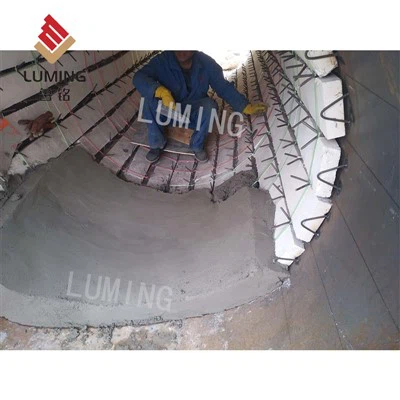
Hey there! As a supplier of kilns and furnaces, I've seen my fair share of furnace problems. Trust me, a furnace acting up can be a real headache. But don't worry, I'm here to walk you through how to troubleshoot a furnace. Let's get started!
Check the Basics First
Before you start diving into the more complex stuff, it's always a good idea to check the basics. First off, take a look at the power supply. Is the furnace plugged in? Sounds simple, but you'd be surprised how often this is the problem. Sometimes, the cord can come loose or a power outage might have tripped the circuit breaker. So, head over to your electrical panel and see if the breaker for the furnace has been flipped. If it has, just switch it back on.
Next, check the thermostat. Make sure it's set to the right temperature and in the "heat" mode. Sometimes, the thermostat can get bumped or accidentally set to the wrong setting. If it's a digital thermostat, check the batteries. Dead batteries can cause all sorts of issues.
Inspect the Air Filter
The air filter in your furnace is like a little guard that keeps dust and debris out of the system. Over time, though, it can get clogged up. A clogged air filter restricts airflow, which can make your furnace work harder than it needs to. This can lead to overheating, reduced efficiency, and even breakdowns.
So, how do you check the air filter? Well, it's usually located in a slot near the return air duct. Just slide it out and take a look. If it's dirty, replace it with a new one. You can find replacement filters at most hardware stores or online. As a general rule of thumb, it's a good idea to replace your air filter every one to three months, depending on how often you use your furnace and the level of dust in your home.
Check for Gas Supply Issues (If It's a Gas Furnace)
If you have a gas furnace, the gas supply is crucial. First, make sure the gas valve is fully open. It's usually a small valve located near the furnace. If it's in the "off" position, turn it to the "on" position. But be careful! If you're not sure what you're doing, it's best to call a professional.
Another thing to check is the pilot light, if your furnace has one. Some newer furnaces have electronic ignition systems instead of a pilot light, so you won't need to worry about this step if that's the case. If your furnace does have a pilot light, look through the small window on the front of the furnace. If the pilot light is out, follow the manufacturer's instructions to relight it. Again, if you're not comfortable doing this, don't hesitate to call a professional.
Listen for Strange Noises
Your furnace can tell you a lot about its health just by the sounds it makes. If you hear strange noises like rattling, banging, screeching, or whistling, it could be a sign of a problem.
Rattling noises might be caused by loose parts inside the furnace. This could be something as simple as a loose panel or a more serious issue like a loose blower wheel. Bangs could be a sign of a problem with the ignition system, like a delayed ignition. Screeching noises are often a sign of a worn-out belt or a failing motor. Whistling noises could indicate a problem with the airflow, like a blocked duct.
If you hear any strange noises, it's best to turn off the furnace and call a professional. Ignoring these noises could lead to more serious damage and higher repair costs down the road.
Check the Condensate Drain
If you have a high-efficiency furnace, it's likely to have a condensate drain. This drain removes the water that's produced as a byproduct of the heating process. Over time, the drain can become clogged with dirt, mold, or other debris. A clogged condensate drain can cause water to back up into the furnace, which can lead to water damage and corrosion.
To check the condensate drain, locate the drainpipe near the bottom of the furnace. Disconnect the pipe and blow air through it to clear any blockages. You can also use a small brush or a pipe cleaner to gently clean out the drain. If you're still having trouble, it might be time to call in a professional.
Look for Leaks
Leaks can be a serious problem for your furnace. Check around the furnace for any signs of water or gas leaks. Water leaks could be a sign of a problem with the condensate drain or a cracked heat exchanger. Gas leaks are even more dangerous, as natural gas is highly flammable. If you smell gas near the furnace, leave the area immediately and call your gas company or a professional HVAC technician.
If you do find a water leak, try to determine where it's coming from. If it's a small leak from the condensate drain, you might be able to fix it yourself by clearing the blockage. But if the leak is coming from the heat exchanger or another major component, it's best to call a professional.
Check the Blower Motor
The blower motor is responsible for pushing the heated air through your ducts and into your home. If the blower motor isn't working properly, you might not get any heat or you might notice weak airflow.
To check the blower motor, first, turn off the furnace and the power to it. Then, remove the access panel to the blower motor. Check the motor for any signs of damage, like frayed wires or a burnt smell. You can also try spinning the blower wheel by hand. If it's hard to turn or makes a grinding noise, the motor might be failing.
If you suspect a problem with the blower motor, it's best to call a professional. Blower motors can be tricky to repair or replace, and it's important to make sure it's done correctly.
When to Call a Professional
While you can do a lot of basic troubleshooting on your own, there are times when it's best to call in a professional. If you're not comfortable working with electrical or gas systems, if you're unable to diagnose the problem, or if you've tried the troubleshooting steps and the problem persists, it's time to pick up the phone.
A professional HVAC technician has the training, experience, and tools to diagnose and repair furnace problems safely and effectively. They can also perform regular maintenance on your furnace to keep it running smoothly and prevent future problems.
Our Kiln and Furnace Offerings
As a kiln and furnace supplier, we offer a wide range of products to meet your needs. Whether you're looking for a Hazardous Waste Incineration Kiln for industrial waste disposal, a Cement Kiln for the construction industry, or a Lime Kiln for lime production, we've got you covered.
Our kilns and furnaces are built to last, with high-quality materials and advanced technology. We also offer excellent customer support and after-sales service to ensure that you're satisfied with your purchase.
If you're interested in learning more about our products or have a furnace that needs troubleshooting, don't hesitate to reach out. We're here to help you find the right solution for your business.


Conclusion
Troubleshooting a furnace doesn't have to be a daunting task. By following these simple steps, you can often diagnose and fix common furnace problems on your own. But remember, if you're ever in doubt or if the problem seems too complex, it's always best to call a professional.
If you're in the market for a new kiln or furnace, or if you need help with troubleshooting or maintenance, we're here to assist you. Contact us today to start a conversation about your needs and how we can help you find the perfect solution.
References
- "HVAC Systems: Troubleshooting and Repair" by John Tomczyk
- Manufacturer's manuals for various furnace models