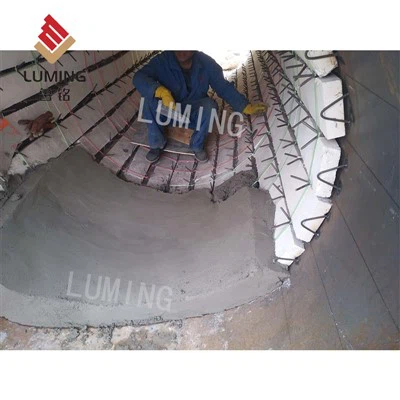
Transporting a glass kiln is no walk in the park. As a glass kiln supplier, I've seen firsthand the challenges and intricacies involved in getting these massive and delicate pieces of equipment from our facility to our customers' sites. In this blog, I'll share some practical tips and considerations based on my experience to help you navigate the process smoothly.
Understanding Your Glass Kiln
Before you even think about transportation, you need to have a solid understanding of your glass kiln. Glass kilns come in all shapes and sizes, from small, benchtop models used by artists to large, industrial-scale units for mass production. The size, weight, and design of your kiln will significantly impact the transportation method and requirements.
For instance, a small, portable glass kiln might be relatively easy to move. You could potentially transport it in a large van or a small truck. However, larger industrial kilns can weigh several tons and require specialized equipment and handling. These kilns may have complex components, such as heating elements, controllers, and insulation, which need to be protected during transit.


Planning Ahead
Once you know the details of your glass kiln, it's time to start planning the transportation. This involves several key steps:
- Choose the Right Transport Company: Look for a transport company with experience in moving heavy and delicate equipment. They should have the necessary permits, insurance, and equipment to handle your glass kiln safely. Check their reviews and ask for references to ensure they have a good track record.
- Get a Detailed Quote: Request a detailed quote from the transport company that includes all the costs, such as transportation fees, insurance, loading and unloading charges, and any additional services. Make sure you understand what's included in the quote and ask for clarification if needed.
- Schedule the Transport: Coordinate with the transport company to schedule the pick-up and delivery dates. Consider factors like the availability of your site, the transport company's schedule, and any potential weather or traffic issues. It's also a good idea to have a contingency plan in case of unexpected delays.
- Prepare the Kiln for Transport: Before the transport company arrives, make sure the kiln is properly prepared. This may involve disconnecting any electrical or gas connections, removing any loose parts or accessories, and securing the kiln to prevent it from shifting during transit. You may also need to provide the transport company with any necessary documentation, such as the kiln's manual or specifications.
Choosing the Right Transport Method
The choice of transport method depends on several factors, including the size and weight of the kiln, the distance to be traveled, and the urgency of the delivery. Here are some common transport methods for glass kilns:
- Truck Transport: This is the most common method for transporting glass kilns, especially for local or regional deliveries. Trucks offer flexibility and can be easily loaded and unloaded at your site. However, they may be limited by weight and size restrictions, and long-distance trucking can be affected by traffic and weather conditions.
- Rail Transport: Rail transport is a cost-effective option for long-distance deliveries, especially for large and heavy kilns. Railroads can handle heavy loads and offer a more stable and reliable mode of transport compared to trucks. However, rail transport may require additional handling and transfer at rail yards, which can increase the risk of damage.
- Shipping Containers: If you need to transport your glass kiln overseas or across long distances, shipping containers may be a good option. Shipping containers provide a secure and weatherproof environment for your kiln and can be easily transported by truck, rail, or ship. However, they may require additional packaging and handling to ensure the kiln is properly secured inside the container.
Protecting Your Glass Kiln During Transport
Glass kilns are delicate and expensive pieces of equipment, so it's crucial to take steps to protect them during transport. Here are some tips to help you minimize the risk of damage:
- Use Proper Packaging: Wrap the kiln in protective materials, such as bubble wrap, foam, or blankets, to cushion it from shocks and vibrations. Use straps or ropes to secure the kiln to the transport vehicle or container to prevent it from shifting during transit.
- Protect the Kiln's Components: Pay special attention to the kiln's delicate components, such as the heating elements, controllers, and insulation. Cover them with protective covers or shields to prevent damage from scratches, impacts, or moisture.
- Monitor the Transport: If possible, track the progress of your kiln during transport using GPS or other tracking devices. This will allow you to stay informed about its location and estimated delivery time and take action if there are any issues or delays.
- Inspect the Kiln Upon Arrival: Once the kiln arrives at its destination, carefully inspect it for any signs of damage. Check the kiln's exterior, components, and connections to ensure everything is in good condition. If you notice any damage, document it immediately and contact the transport company and your insurance provider.
Additional Considerations
In addition to the above tips, there are a few other things to keep in mind when transporting a glass kiln:
- Legal Requirements: Make sure you comply with all the legal requirements for transporting a glass kiln, such as obtaining the necessary permits and licenses. Check with your local authorities and the transport company for specific requirements.
- Safety Precautions: Transporting a glass kiln can be dangerous, so it's important to take all the necessary safety precautions. Wear appropriate protective gear, such as gloves and safety glasses, and follow the transport company's safety guidelines.
- Maintenance and Installation: After the kiln is transported and installed at its destination, make sure to perform any necessary maintenance and testing to ensure it's working properly. Follow the manufacturer's instructions and recommendations for maintenance and installation.
Conclusion
Transporting a glass kiln is a complex and challenging process, but with careful planning and preparation, it can be done safely and efficiently. As a glass kiln supplier, I'm here to help you every step of the way. If you have any questions or need assistance with transporting your glass kiln, please don't hesitate to [contact me for a consultation]. We can discuss your specific needs and requirements and come up with a customized transportation solution that works for you.
If you're also interested in other types of kilns, check out our Zinc Extraction Kiln, Cement Kiln, and Lithium Industry Kilns. These kilns are designed for specific industries and applications and offer high performance and reliability.
References
- Personal experience as a glass kiln supplier.
- Industry best practices for transporting heavy and delicate equipment.