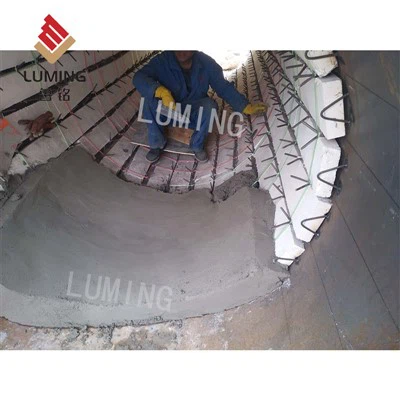
Maintaining a furnace is a crucial aspect of ensuring its longevity, efficiency, and safety. As a reputable kiln and furnace supplier, we understand the significance of proper maintenance in maximizing the performance of these industrial equipment. In this blog, we will delve into the essential steps and best practices for maintaining a furnace, covering everything from routine inspections to addressing common issues.
Routine Inspections
Regular inspections are the cornerstone of furnace maintenance. By conducting thorough checks at scheduled intervals, you can identify potential problems early on and prevent costly breakdowns. Here are some key areas to focus on during inspections:
Visual Inspection
Begin by visually examining the furnace for any signs of damage, such as cracks, leaks, or corrosion. Check the exterior of the furnace, including the casing, doors, and pipes, for any visible wear and tear. Inspect the insulation to ensure it is intact and providing adequate thermal protection. Pay close attention to the burner assembly, looking for any signs of blockages or damage to the nozzles.
Electrical Components
Inspect the electrical components of the furnace, including the wiring, switches, and controls. Look for any loose connections, frayed wires, or signs of overheating. Test the safety controls, such as the limit switches and flame sensors, to ensure they are functioning properly. If you notice any issues with the electrical system, it is important to have them addressed by a qualified electrician.
Gas Supply
If your furnace uses natural gas or propane, inspect the gas supply line for any leaks. Use a gas leak detector or a solution of soapy water to check for bubbles around the connections. If you detect a gas leak, immediately shut off the gas supply and contact a professional technician to repair the leak. Also, check the gas pressure regulator to ensure it is maintaining the correct pressure.
Air Intake and Exhaust
Inspect the air intake and exhaust systems of the furnace to ensure they are clear of debris and obstructions. Check the air filters and replace them if they are dirty or clogged. A dirty air filter can restrict airflow, reducing the efficiency of the furnace and potentially causing overheating. Additionally, inspect the exhaust vent to ensure it is properly venting the combustion gases outside the building.
Cleaning and Lubrication
Regular cleaning and lubrication are essential for maintaining the performance and longevity of a furnace. Here are some cleaning and lubrication tasks that should be performed on a regular basis:
Cleaning the Burner
The burner is the heart of the furnace, and keeping it clean is crucial for efficient combustion. Over time, the burner can become clogged with dirt, dust, and debris, which can affect its performance. To clean the burner, turn off the power to the furnace and remove the burner assembly. Use a soft brush or compressed air to remove any dirt or debris from the burner ports. Be careful not to damage the burner or the nozzles.
Cleaning the Heat Exchanger
The heat exchanger is responsible for transferring heat from the combustion chamber to the air or water being heated. Over time, the heat exchanger can become coated with soot and other contaminants, reducing its efficiency. To clean the heat exchanger, use a vacuum cleaner or a soft brush to remove any loose debris. If the heat exchanger is heavily soiled, you may need to use a specialized cleaning solution or have it professionally cleaned.
Lubricating Moving Parts
Many furnaces have moving parts, such as motors, fans, and bearings, that require lubrication to operate smoothly. Check the manufacturer's recommendations for the type and frequency of lubrication required for these parts. Use a high-quality lubricant and apply it according to the instructions. Over-lubrication can also cause problems, so be careful not to use too much lubricant.
Addressing Common Issues
Despite regular maintenance, furnaces can still experience common issues from time to time. Here are some of the most common issues and how to address them:
Pilot Light Problems
If your furnace has a pilot light, it may go out from time to time. This can be caused by a variety of factors, such as a draft, a dirty pilot orifice, or a faulty thermocouple. To relight the pilot light, follow the instructions in the furnace manual. If the pilot light continues to go out, it may be a sign of a more serious problem, such as a gas valve issue or a faulty thermocouple. In this case, it is important to have the furnace inspected by a professional technician.
No Heat or Insufficient Heat
If your furnace is not producing heat or is producing insufficient heat, there could be several possible causes. Check the thermostat to ensure it is set to the correct temperature and mode. If the thermostat is working properly, check the air filter to see if it is dirty or clogged. A dirty air filter can restrict airflow, reducing the efficiency of the furnace. If the air filter is clean, the problem may be with the burner, the heat exchanger, or the blower motor. In this case, it is best to have the furnace inspected by a professional technician.
Strange Noises
If your furnace is making strange noises, such as rattling, banging, or squealing, it could be a sign of a problem. Rattling noises may be caused by loose parts or a vibrating blower motor. Banging noises may be caused by a problem with the burner or the heat exchanger. Squealing noises may be caused by a worn-out belt or a faulty motor. If you hear strange noises coming from your furnace, it is important to have it inspected by a professional technician to determine the cause of the noise and have it repaired.
Odors
If you notice a strange odor coming from your furnace, it could be a sign of a problem. A burning smell may be caused by an overheating component, such as the blower motor or the wiring. A musty smell may be caused by mold or mildew growing in the furnace or the ductwork. A gas smell may be a sign of a gas leak, which is a serious safety hazard. If you notice any strange odors coming from your furnace, immediately shut off the power to the furnace and contact a professional technician to inspect the furnace.
Professional Maintenance
While regular inspections and cleaning can help maintain the performance of a furnace, it is also important to have the furnace serviced by a professional technician on a regular basis. A professional technician has the knowledge, skills, and tools to perform a comprehensive inspection and maintenance of the furnace. They can identify potential problems early on and make the necessary repairs or adjustments to ensure the furnace is operating safely and efficiently.
We recommend having your furnace serviced at least once a year by a qualified technician. During a professional maintenance service, the technician will perform the following tasks:
- Inspect the furnace: The technician will perform a thorough inspection of the furnace, including the burner, the heat exchanger, the blower motor, the electrical system, and the safety controls.
- Clean the furnace: The technician will clean the burner, the heat exchanger, the air filters, and the exhaust vent to remove any dirt, dust, and debris.
- Lubricate the moving parts: The technician will lubricate the moving parts, such as the motors, the fans, and the bearings, to ensure they are operating smoothly.
- Test the safety controls: The technician will test the safety controls, such as the limit switches and the flame sensors, to ensure they are functioning properly.
- Adjust the furnace: The technician will adjust the burner, the air-to-fuel ratio, and the ignition system to ensure the furnace is operating at peak efficiency.
Our Products
As a leading kiln and furnace supplier, we offer a wide range of high-quality furnaces and kilns for various industrial applications. Our products include Vanadium-titanium Kiln, Ferromanganese Kiln, and Coke Oven. Our furnaces and kilns are designed to meet the highest standards of quality, efficiency, and safety. We also provide comprehensive after-sales service and support to ensure our customers are satisfied with their purchase.
Contact Us for Purchase and Consultation
If you are in the market for a new furnace or kiln, or if you need assistance with maintaining your existing furnace, we encourage you to contact us for a consultation. Our team of experts can help you select the right furnace or kiln for your specific needs and provide you with all the information you need to make an informed decision. We also offer competitive pricing and flexible financing options to make your purchase more affordable.


To learn more about our products and services, or to schedule a consultation, please visit our website or contact us today. We look forward to hearing from you and helping you meet your industrial heating needs.
References
- "Furnace Maintenance Guide." Energy.gov.
- "How to Maintain Your Furnace." This Old House.
- "Furnace Maintenance Tips." Family Handyman.