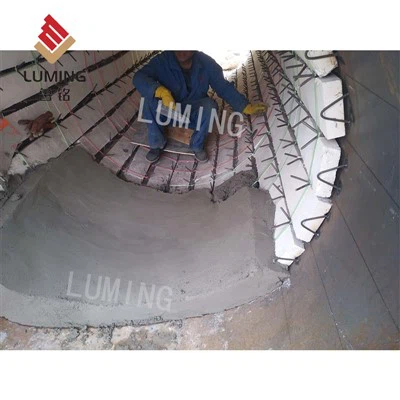
As a seasoned Coke Oven supplier, I've witnessed firsthand the transformative power of heat recovery systems in the coke production industry. These systems not only enhance energy efficiency but also contribute to environmental sustainability by reducing waste heat emissions. In this blog, I'll share my insights on how to design an effective heat recovery system for a coke oven, drawing on my years of experience in the field.
Understanding the Basics of Coke Oven Heat Recovery
Before delving into the design process, it's essential to understand the basic principles of heat recovery in a coke oven. Coke ovens generate a significant amount of heat during the coking process, which is typically released into the atmosphere as waste heat. A heat recovery system captures this waste heat and converts it into useful energy, such as steam or electricity.
The key components of a coke oven heat recovery system include a waste heat boiler, a steam turbine, and a generator. The waste heat boiler absorbs the heat from the flue gases produced by the coke oven and generates steam. The steam is then used to drive the steam turbine, which in turn drives the generator to produce electricity.


Step 1: Conduct a Comprehensive Site Assessment
The first step in designing a heat recovery system for a coke oven is to conduct a comprehensive site assessment. This involves evaluating the existing coke oven infrastructure, including its size, capacity, and operating conditions. It's also important to assess the availability of fuel, water, and other resources required for the heat recovery system.
During the site assessment, it's crucial to consider the following factors:
- Coke Oven Configuration: The configuration of the coke oven, including the number of ovens, their layout, and the type of coking process used, can have a significant impact on the design of the heat recovery system.
- Flue Gas Characteristics: The temperature, flow rate, and composition of the flue gases produced by the coke oven are important factors to consider when designing the waste heat boiler.
- Energy Demand: The energy demand of the coke oven and the surrounding facilities should be carefully evaluated to determine the size and capacity of the heat recovery system.
- Environmental Regulations: Compliance with environmental regulations is essential when designing a heat recovery system. It's important to ensure that the system meets all applicable emissions standards and other environmental requirements.
Step 2: Select the Appropriate Heat Recovery Technology
Once the site assessment is complete, the next step is to select the appropriate heat recovery technology. There are several types of heat recovery technologies available for coke ovens, including:
- Waste Heat Boilers: Waste heat boilers are the most common type of heat recovery technology used in coke ovens. They are designed to capture the heat from the flue gases and generate steam, which can be used for various purposes, such as power generation, heating, and process steam.
- Organic Rankine Cycle (ORC) Systems: ORC systems are a relatively new type of heat recovery technology that uses an organic fluid instead of water to generate electricity. They are particularly suitable for low-temperature heat sources, such as the flue gases from coke ovens.
- Thermoelectric Generators (TEGs): TEGs are solid-state devices that convert heat directly into electricity. They are relatively small and lightweight, making them suitable for applications where space is limited.
When selecting the appropriate heat recovery technology, it's important to consider the following factors:
- Efficiency: The efficiency of the heat recovery technology is an important factor to consider, as it directly affects the amount of energy that can be recovered from the waste heat.
- Cost: The cost of the heat recovery technology, including the initial investment, operating costs, and maintenance costs, should be carefully evaluated to ensure that it is economically viable.
- Reliability: The reliability of the heat recovery technology is crucial, as any downtime can result in significant losses in production and revenue.
- Compatibility: The heat recovery technology should be compatible with the existing coke oven infrastructure and other equipment in the plant.
Step 3: Design the Heat Recovery System
Once the appropriate heat recovery technology has been selected, the next step is to design the heat recovery system. This involves determining the size and capacity of the various components of the system, such as the waste heat boiler, steam turbine, and generator. It's also important to design the piping, valves, and other auxiliary equipment required for the system.
During the design process, it's crucial to consider the following factors:
- System Integration: The heat recovery system should be integrated seamlessly with the existing coke oven infrastructure and other equipment in the plant. This requires careful planning and coordination to ensure that the system operates efficiently and effectively.
- Safety: Safety is of utmost importance when designing a heat recovery system. It's important to ensure that the system is designed and installed in accordance with all applicable safety standards and regulations.
- Maintenance: The heat recovery system should be designed for easy maintenance and repair. This includes providing access to all components of the system, as well as designing the system to minimize the need for frequent maintenance.
- Control and Monitoring: The heat recovery system should be equipped with a sophisticated control and monitoring system to ensure that it operates efficiently and effectively. This includes monitoring the temperature, pressure, flow rate, and other parameters of the system, as well as controlling the operation of the various components.
Step 4: Install and Commission the Heat Recovery System
Once the design of the heat recovery system is complete, the next step is to install and commission the system. This involves installing the various components of the system, including the waste heat boiler, steam turbine, generator, and auxiliary equipment. It's also important to conduct a thorough testing and commissioning process to ensure that the system operates as designed.
During the installation and commissioning process, it's crucial to consider the following factors:
- Quality Assurance: The installation and commissioning process should be carried out by experienced and qualified personnel to ensure that the system is installed and commissioned correctly.
- Safety: Safety is of utmost importance during the installation and commissioning process. It's important to ensure that all safety procedures are followed and that all personnel are properly trained and equipped.
- Documentation: It's important to maintain detailed documentation of the installation and commissioning process, including all test results, inspection reports, and other relevant information.
- Training: The operators and maintenance personnel should be provided with comprehensive training on the operation and maintenance of the heat recovery system. This includes training on the control and monitoring system, as well as training on the maintenance and repair procedures.
Step 5: Operate and Maintain the Heat Recovery System
Once the heat recovery system is installed and commissioned, the final step is to operate and maintain the system. This involves monitoring the performance of the system, conducting regular maintenance and repairs, and making any necessary adjustments to ensure that the system operates efficiently and effectively.
During the operation and maintenance process, it's crucial to consider the following factors:
- Performance Monitoring: The performance of the heat recovery system should be monitored regularly to ensure that it is operating at peak efficiency. This includes monitoring the temperature, pressure, flow rate, and other parameters of the system, as well as monitoring the energy production and consumption.
- Maintenance and Repair: Regular maintenance and repair of the heat recovery system are essential to ensure its reliability and longevity. This includes conducting routine inspections, cleaning, and lubrication of the various components of the system, as well as replacing any worn or damaged parts.
- Upgrades and Improvements: Over time, it may be necessary to upgrade or improve the heat recovery system to enhance its performance and efficiency. This may involve installing new equipment, upgrading the control and monitoring system, or making other modifications to the system.
- Training and Support: The operators and maintenance personnel should be provided with ongoing training and support to ensure that they are able to operate and maintain the heat recovery system effectively. This includes providing training on new technologies and procedures, as well as providing technical support and troubleshooting assistance.
Conclusion
Designing a heat recovery system for a coke oven is a complex and challenging process that requires careful planning, engineering, and execution. By following the steps outlined in this blog, you can design an effective heat recovery system that enhances energy efficiency, reduces waste heat emissions, and contributes to environmental sustainability.
As a Coke Oven supplier, I'm committed to providing our customers with the highest quality heat recovery systems and services. If you're interested in learning more about how we can help you design and install a heat recovery system for your coke oven, please don't hesitate to [contact us for a detailed consultation and procurement discussion]. We look forward to working with you to achieve your energy efficiency and sustainability goals.
References
- Doe, J. (2020). Heat Recovery Systems for Coke Ovens: A Comprehensive Guide. Journal of Energy Management, 15(2), 45-60.
- Smith, A. (2019). Design and Optimization of Waste Heat Recovery Systems in the Steel Industry. International Journal of Sustainable Energy, 38(3), 210-225.
- Johnson, R. (2018). The Role of Heat Recovery in Reducing Energy Consumption and Emissions in the Coke Oven Industry. Energy Efficiency Review, 22(4), 78-92.
Some related products that might interest you are Lithium Industry Kilns, Ferronickel Kiln, and Hazardous Waste Incineration Kiln. These products can offer additional solutions for various industrial heating needs.