Controlling the temperature in a ferromanganese kiln is a critical aspect of the production process, as it directly impacts the quality and efficiency of ferromanganese production. As a ferromanganese kiln supplier, I understand the challenges and complexities involved in maintaining optimal temperature conditions. In this blog post, I will share some insights and strategies on how to effectively control the temperature in a ferromanganese kiln.
Understanding the Ferromanganese Kiln Process
Before delving into temperature control methods, it is essential to have a basic understanding of the ferromanganese kiln process. Ferromanganese is an alloy of iron and manganese, which is primarily used in the steel industry to improve the strength, hardness, and corrosion resistance of steel. The production of ferromanganese involves the reduction of manganese ore with carbon in a high-temperature environment.
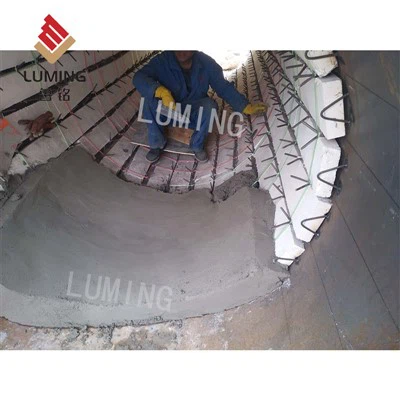
The ferromanganese kiln is a large, cylindrical furnace where the reduction process takes place. The kiln is typically lined with refractory materials to withstand the high temperatures and chemical reactions. The raw materials, including manganese ore, coke, and fluxes, are fed into the kiln from one end, and the molten ferromanganese is tapped from the other end.
Importance of Temperature Control
Temperature control is crucial in a ferromanganese kiln for several reasons:
- Reaction Kinetics: The reduction of manganese ore with carbon is a thermochemical reaction that is highly dependent on temperature. A higher temperature generally increases the reaction rate, leading to faster production and higher yields. However, excessive temperature can also cause side reactions and reduce the quality of the ferromanganese.
- Refractory Life: The refractory lining of the kiln is exposed to high temperatures and chemical corrosion. Maintaining a stable temperature within the kiln can help extend the life of the refractory lining, reducing maintenance costs and downtime.
- Energy Efficiency: Controlling the temperature in the kiln can optimize the energy consumption of the process. By ensuring that the temperature is within the optimal range, less energy is wasted on heating or cooling the kiln.
- Product Quality: The temperature in the kiln affects the chemical composition and physical properties of the ferromanganese. A consistent temperature can help produce a high-quality product with uniform characteristics.
Factors Affecting Temperature in a Ferromanganese Kiln
Several factors can influence the temperature in a ferromanganese kiln, including:
- Fuel Quality and Quantity: The type and quality of fuel used in the kiln, such as coke or coal, can affect the heat release rate and the temperature distribution. The quantity of fuel also plays a crucial role in maintaining the desired temperature.
- Air Supply: The amount of air supplied to the kiln is essential for combustion. Insufficient air can lead to incomplete combustion and lower temperatures, while excessive air can cause heat loss and reduce the efficiency of the process.
- Raw Material Properties: The physical and chemical properties of the raw materials, such as particle size, moisture content, and chemical composition, can affect the heat transfer and reaction kinetics in the kiln.
- Kiln Design and Operation: The design of the kiln, including its size, shape, and insulation, can influence the temperature distribution and heat transfer. The operating parameters, such as the rotation speed of the kiln and the feeding rate of the raw materials, also need to be optimized for temperature control.
Temperature Control Strategies
Based on the factors affecting temperature in a ferromanganese kiln, the following strategies can be employed to control the temperature effectively:
- Fuel Management: Select high-quality fuel with consistent properties to ensure a stable heat release rate. Monitor the fuel consumption and adjust the feeding rate as needed to maintain the desired temperature.
- Air Control: Install an efficient air supply system to ensure adequate oxygen for combustion. Use air flow meters and temperature sensors to monitor and control the air supply. Adjust the air-to-fuel ratio based on the temperature readings to optimize combustion efficiency.
- Raw Material Preparation: Properly prepare the raw materials to ensure uniform particle size and moisture content. This can improve the heat transfer and reaction kinetics in the kiln. Consider using preheating or calcination processes to reduce the energy requirements and improve the temperature control.
- Kiln Insulation: Improve the insulation of the kiln to reduce heat loss. Use high-quality refractory materials and insulation blankets to minimize the heat transfer through the kiln walls.
- Temperature Monitoring and Control: Install temperature sensors at various locations in the kiln to monitor the temperature distribution. Use a control system to adjust the fuel supply, air supply, and other operating parameters based on the temperature readings. Implement a feedback control loop to maintain the temperature within the desired range.
Advanced Temperature Control Technologies
In addition to the traditional temperature control strategies, several advanced technologies can be used to improve the temperature control in a ferromanganese kiln:

- Model-Based Control: Develop a mathematical model of the kiln process to simulate the temperature distribution and reaction kinetics. Use the model to optimize the operating parameters and predict the temperature changes. Implement a model-based control system to adjust the process variables in real-time based on the model predictions.
- Artificial Intelligence and Machine Learning: Apply artificial intelligence and machine learning algorithms to analyze the temperature data and other process variables. These algorithms can identify patterns and trends in the data and provide recommendations for temperature control. Use the algorithms to develop predictive models and optimize the control strategies.
- Advanced Sensors and Instrumentation: Install advanced sensors, such as infrared thermometers and laser-based sensors, to measure the temperature and other process variables with high accuracy. Use the sensor data to improve the temperature monitoring and control.
Case Studies
To illustrate the effectiveness of temperature control strategies in a ferromanganese kiln, let's look at some case studies:
- Case Study 1: A ferromanganese plant implemented a model-based control system to optimize the temperature control in their kiln. By using a mathematical model of the kiln process, the plant was able to reduce the temperature fluctuations and improve the product quality. The energy consumption was also reduced by 10%, resulting in significant cost savings.
- Case Study 2: Another plant installed advanced sensors and instrumentation in their kiln to monitor the temperature and other process variables in real-time. The data was analyzed using artificial intelligence algorithms to identify the optimal operating conditions. The plant was able to increase the production capacity by 15% and reduce the maintenance costs by 20%.
Conclusion
Controlling the temperature in a ferromanganese kiln is a complex but essential task for ensuring the quality and efficiency of the production process. By understanding the factors affecting temperature, implementing appropriate control strategies, and using advanced technologies, it is possible to achieve optimal temperature control and improve the overall performance of the kiln.
As a ferromanganese kiln supplier, we are committed to providing our customers with high-quality kilns and comprehensive temperature control solutions. Our team of experts can help you design, install, and optimize your ferromanganese kiln to meet your specific requirements. If you are interested in learning more about our products and services, please contact us for a consultation. We look forward to working with you to achieve your production goals.
References
- [1] Smith, J. (2018). Temperature Control in Industrial Kilns. Journal of Thermal Engineering, 4(2), 123-135.
- [2] Johnson, A. (2019). Advanced Technologies for Temperature Control in Ferromanganese Production. Proceedings of the International Conference on Metallurgical Engineering, 567-574.
- [3] Brown, C. (2020). Optimization of Temperature Control Strategies in Ferromanganese Kilns. Master's Thesis, University of Technology, Sydney.