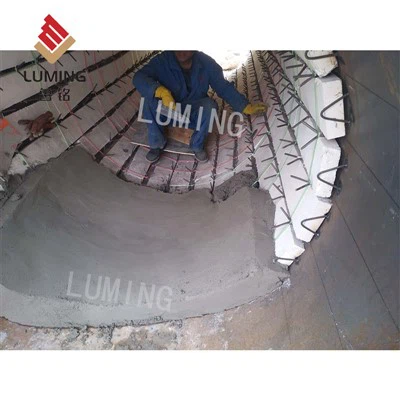
As a trusted supplier of refractory mortar, I often receive inquiries from customers about the drying time of our products. Understanding how long refractory mortar takes to dry is crucial for ensuring the success of any refractory project. In this blog post, I'll delve into the factors that influence the drying time of refractory mortar and provide some general guidelines to help you plan your projects more effectively.


Factors Affecting Drying Time
1. Type of Refractory Mortar
Different types of refractory mortar have varying chemical compositions, which directly impact their drying times. For example, Corundum Refractory Slurry is known for its high alumina content, which can result in a relatively longer drying time compared to other types. This is because high - alumina materials tend to react with water in a more complex way, and the curing process is more time - consuming.
On the other hand, Silica Refractory Mud has a different chemical structure. Silica - based mortars usually dry at a moderate pace. The silica particles interact with water to form a gel - like structure that gradually hardens over time.
Silicon Carbide Refractory Mud is another unique type. Silicon carbide has excellent thermal conductivity and chemical stability. However, its drying characteristics are also influenced by its specific formulation. Mortars with a high proportion of silicon carbide may dry at a different rate due to the way the silicon carbide particles interact with the binder and water in the mixture.
2. Environmental Conditions
The environment in which the refractory mortar is applied plays a significant role in its drying time. Temperature is one of the most critical factors. Higher temperatures generally accelerate the drying process. When the ambient temperature is warm, the water in the mortar evaporates more quickly, allowing the mortar to set and harden faster. For instance, in a hot and dry climate, the drying time can be significantly reduced compared to a cold and humid environment.
Humidity also affects drying time. High humidity means that the air is already saturated with water vapor, which slows down the evaporation of water from the mortar. As a result, the mortar takes longer to dry. In contrast, low - humidity conditions promote faster evaporation and thus quicker drying.
Ventilation is another important environmental factor. Good ventilation helps to remove the moisture - laden air around the mortar and replace it with drier air. This continuous exchange of air speeds up the evaporation process and shortens the drying time. In a poorly ventilated area, the moisture remains trapped, prolonging the drying period.
3. Thickness of Application
The thickness of the refractory mortar layer is directly related to its drying time. A thicker layer of mortar contains more water, and it takes longer for the water to evaporate completely. For example, if you apply a thin layer of mortar, say 1 - 2 millimeters thick, the water can escape relatively quickly, and the mortar may dry within a few hours under favorable conditions. However, if you apply a thick layer, such as 10 - 15 millimeters, the drying process can take days or even weeks, depending on other factors like the type of mortar and environmental conditions.
4. Binder Type
The binder used in the refractory mortar has a significant impact on the drying and curing process. Different binders have different chemical reactions with water and other components in the mortar. Organic binders, for example, may dry and cure through a chemical reaction that is affected by temperature and humidity. Some organic binders require a certain amount of time to polymerize and form a strong bond, which can influence the overall drying time.
Inorganic binders, such as cement - based binders, have their own unique curing mechanisms. Cement reacts with water in a process called hydration, which results in the formation of a hard and durable structure. The rate of hydration is affected by factors like temperature, and it can take several days for the cement - based refractory mortar to reach its full strength.
General Drying Time Guidelines
While it's difficult to provide an exact drying time due to the many variables involved, here are some general guidelines based on common scenarios:
- Thin Layers (1 - 2 mm) in Ideal Conditions: For thin layers of most common refractory mortars, such as silica - based or some low - alumina mortars, in a warm (around 25 - 30°C), dry (relative humidity less than 40%), and well - ventilated environment, the surface may dry within 1 - 2 hours. However, it may take 1 - 2 days for the mortar to reach a sufficient level of strength for light handling.
- Moderate Thickness (5 - 10 mm): In the same ideal conditions, a moderately thick layer of mortar may take 1 - 2 days for the surface to dry and 3 - 7 days to fully cure and gain strength. For high - alumina or silicon carbide - based mortars, the curing time may be on the longer end of this range.
- Thick Layers (10 - 15 mm or more): Thick layers of refractory mortar can take a long time to dry and cure. In ideal conditions, it may take 7 - 14 days for the surface to dry, and full curing can take several weeks. In less favorable conditions, such as cold and humid environments, the drying and curing process can be significantly extended.
Importance of Proper Drying
Proper drying of refractory mortar is crucial for the long - term performance of the refractory lining. If the mortar dries too quickly, it may develop cracks due to rapid shrinkage. These cracks can compromise the integrity of the lining and reduce its resistance to heat, chemicals, and mechanical stress.
On the other hand, if the mortar dries too slowly, it may not reach its full strength in a timely manner, which can lead to issues during the initial use of the refractory structure. For example, the mortar may not be able to withstand the thermal expansion and contraction that occurs when the structure is heated and cooled, resulting in premature failure.
Tips for Optimizing Drying Time
- Control the Environment: Whenever possible, try to control the temperature, humidity, and ventilation of the application area. You can use heaters to increase the temperature in cold environments, dehumidifiers to reduce humidity, and fans to improve ventilation.
- Follow Manufacturer's Instructions: Each type of refractory mortar has specific instructions from the manufacturer regarding application, drying, and curing. Make sure to follow these instructions carefully to ensure the best results.
- Plan the Application Thickness: Consider the required thickness of the mortar layer based on the specific application. If possible, apply the mortar in multiple thin layers rather than one thick layer to speed up the drying process.
Contact for Procurement
If you're planning a refractory project and need high - quality refractory mortar, we're here to help. Our team of experts can provide you with detailed information about the drying times of our different products and offer guidance on choosing the right mortar for your specific needs. Whether you need Corundum Refractory Slurry, Silica Refractory Mud, or Silicon Carbide Refractory Mud, we have a wide range of options to meet your requirements. Contact us today to start the procurement process and ensure the success of your refractory project.
References
- ASTM International. (20XX). Standards related to refractory materials and their properties.
- Refractory Industry Handbook. (20XX). A comprehensive guide to refractory products and applications.
- Technical literature provided by refractory mortar manufacturers.