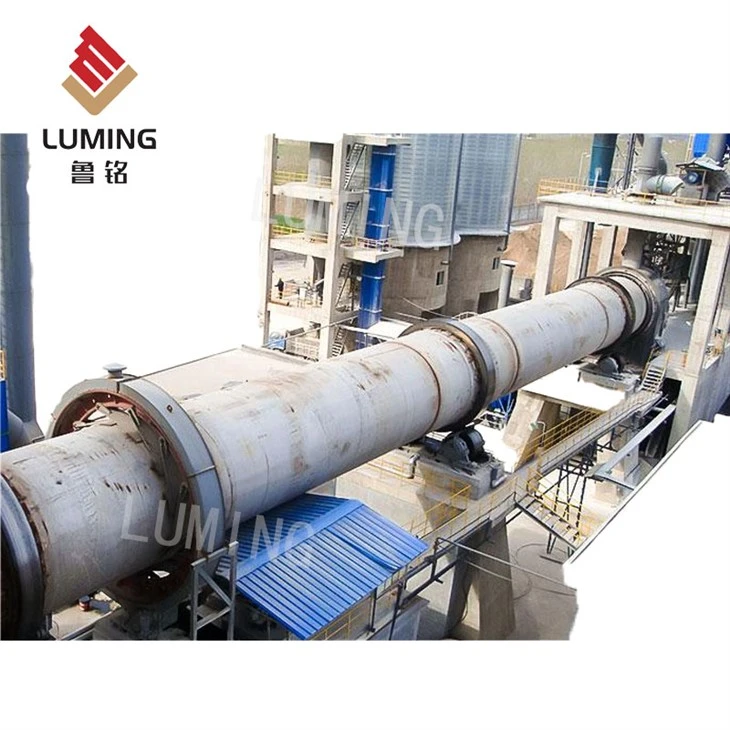
Roasting kilns have played a pivotal role in various industries throughout human history. As a seasoned roasting kiln supplier, I've witnessed and been part of the remarkable evolution of these essential pieces of equipment. In this blog, I'll take you on a journey through time to explore how roasting kilns have changed and adapted to meet the ever - changing needs of different sectors.
Early Origins and Simple Beginnings
The concept of roasting kilns dates back thousands of years. In ancient times, humans discovered that heating certain materials could transform them into more useful forms. Early roasting kilns were rudimentary structures, often made of simple bricks or stones. They were primarily used for basic processes such as roasting ores to extract metals and firing pottery.

These early kilns were small and had limited capacity. They relied on natural draft to supply air for combustion, which meant that the control of temperature and airflow was extremely basic. The heat source was usually wood or charcoal, and the operators had to manually tend to the fire to maintain the desired temperature. The roasting process was slow and inefficient, and the quality of the final product was often inconsistent.
The Industrial Revolution and Technological Advancements
The Industrial Revolution in the 18th and 19th centuries brought about a significant transformation in the design and functionality of roasting kilns. With the invention of steam power and the development of more advanced manufacturing techniques, kilns became larger, more powerful, and more efficient.
One of the key improvements during this period was the introduction of forced draft systems. Instead of relying on natural draft, fans were used to blow air into the kiln, which allowed for better control of the combustion process and more uniform heating. This led to faster roasting times and higher - quality products.
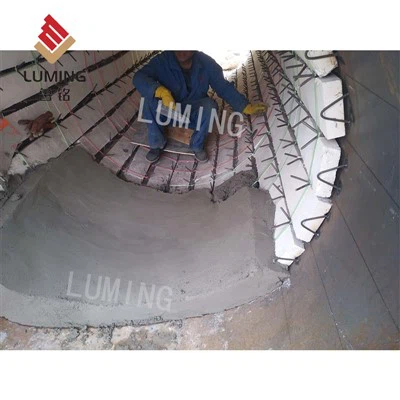
Another important development was the use of new materials in kiln construction. Refractory bricks, which can withstand high temperatures without melting or deforming, became widely used. These bricks provided better insulation, reducing heat loss and improving energy efficiency. The size of the kilns also increased significantly, enabling large - scale production in industries such as metallurgy and cement manufacturing.
The 20th Century: Automation and Specialization
The 20th century saw a continued evolution of roasting kilns, driven by the need for increased productivity, better quality control, and environmental sustainability. Automation became a major trend, with the introduction of sensors, controllers, and computer - based systems.
Automated roasting kilns could monitor and adjust key parameters such as temperature, airflow, and residence time in real - time. This not only improved the consistency of the roasting process but also reduced the need for manual labor. Operators could now set the desired parameters and let the kiln run automatically, with the system making adjustments as needed to ensure optimal performance.
Specialization also became more prominent during this period. Different types of roasting kilns were developed for specific applications. For example, the Ferronickel Kiln is designed specifically for the production of ferronickel, an alloy used in stainless steel manufacturing. These specialized kilns are engineered to meet the unique requirements of each process, such as the specific temperature range and chemical reactions involved.
The Modern Era: Energy Efficiency and Environmental Considerations
In recent years, energy efficiency and environmental protection have become the driving forces behind the further evolution of roasting kilns. With the increasing cost of energy and growing concerns about climate change, manufacturers are constantly looking for ways to reduce energy consumption and emissions.
Advanced insulation materials and design techniques are being used to minimize heat loss in kilns. Some modern kilns are equipped with heat recovery systems that capture and reuse the waste heat generated during the roasting process. This not only reduces energy consumption but also lowers operating costs.
In addition, environmental regulations have forced the development of cleaner - burning roasting kilns. New combustion technologies, such as low - NOx burners, are being employed to reduce the emission of harmful pollutants such as nitrogen oxides. These technologies help industries comply with environmental standards while still maintaining high - quality production.
Another aspect of the modern era is the integration of digital technologies. Internet of Things (IoT) devices can be installed in roasting kilns to collect and analyze data on performance, energy consumption, and maintenance needs. This data can be used to optimize the operation of the kiln, predict potential problems, and schedule preventive maintenance.
Specific Types of Roasting Kilns in the Modern Market
As a roasting kiln supplier, we offer a wide range of kilns for different applications. In addition to the Ferronickel Kiln, we also provide the Zinc Extraction Kiln. This kiln is designed for the extraction of zinc from its ores. It uses a combination of high - temperature roasting and chemical reactions to separate the zinc from other elements in the ore.
The Magnesium Metal Reduction Furnace is another specialized piece of equipment in our product portfolio. Magnesium is a lightweight metal with many industrial applications, and this furnace is used to produce magnesium metal through a reduction process. It requires precise control of temperature and chemical conditions to ensure high - purity magnesium production.
Conclusion and Call to Action
The evolution of roasting kilns over time is a testament to human ingenuity and the continuous pursuit of improvement. From the simple structures of ancient times to the highly advanced and specialized kilns of today, these machines have come a long way.
As a roasting kiln supplier, we are committed to staying at the forefront of this evolution. We invest in research and development to bring the latest technologies and innovations to our customers. Whether you are in the metallurgy, ceramics, or any other industry that requires roasting kilns, we have the expertise and the products to meet your needs.
If you are interested in learning more about our roasting kilns or are looking to purchase a kiln for your business, we encourage you to reach out to us. Our team of experts will be happy to discuss your requirements and provide you with a customized solution. Let's work together to take your production to the next level.
References
- Smith, J. (2015). History of Industrial Kilns. Industrial Press.
- Brown, A. (2018). Advances in Roasting Kiln Technology. Journal of Manufacturing Science.
- Green, C. (2020). Energy - Efficient Roasting Kilns: A Review. Environmental Engineering Journal.