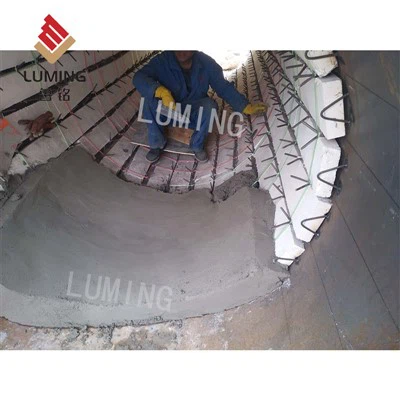
A kiln is a thermally insulated chamber used for the heating, baking, or drying of materials, and it plays a crucial role in various industrial and artistic processes. As a leading supplier of kilns and furnaces, I am often asked about how these remarkable machines work. In this blog post, I will delve into the inner workings of a kiln, exploring the different types, their components, and the processes they facilitate.
Types of Kilns
There are several types of kilns, each designed for specific applications. The most common types include:
- Ceramic Kilns: These are used for firing ceramic objects, such as pottery, tiles, and bricks. Ceramic kilns can be either electric or gas-fired and operate at temperatures ranging from 500°C to 1400°C.
- Metallurgical Kilns: These are used for smelting, refining, and heat-treating metals. Metallurgical kilns can be either rotary or stationary and operate at temperatures ranging from 800°C to 2000°C.
- Lime Kilns: These are used for the calcination of limestone to produce quicklime. Lime kilns can be either vertical or horizontal and operate at temperatures ranging from 900°C to 1200°C.
- Cement Kilns: These are used for the production of cement clinker. Cement kilns are typically large, rotary kilns that operate at temperatures ranging from 1400°C to 1500°C.
Components of a Kiln
Regardless of the type, all kilns share some common components, including:
- Chamber: This is the enclosed space where the materials are heated. The chamber is typically made of refractory materials, such as bricks or ceramics, to withstand the high temperatures.
- Heating System: This is the mechanism that provides the heat for the kiln. The heating system can be either electric or gas-fired, depending on the type of kiln.
- Insulation: This is the material that surrounds the chamber to prevent heat loss. The insulation is typically made of materials such as fiberglass, ceramic fiber, or rock wool.
- Control System: This is the mechanism that regulates the temperature and other parameters of the kiln. The control system can be either manual or automated, depending on the complexity of the kiln.
How a Kiln Works
The basic principle of how a kiln works is relatively simple. The materials to be heated are placed inside the chamber, and the heating system is activated. The heat is then transferred from the heating system to the materials through conduction, convection, and radiation.
- Conduction: This is the transfer of heat through direct contact between two objects. In a kiln, the heat is transferred from the heating elements to the chamber walls and then to the materials inside the chamber.
- Convection: This is the transfer of heat through the movement of fluids, such as air or gas. In a kiln, the hot air or gas rises from the heating elements and circulates around the chamber, transferring heat to the materials.
- Radiation: This is the transfer of heat through electromagnetic waves. In a kiln, the heating elements emit infrared radiation, which is absorbed by the materials inside the chamber, causing them to heat up.
As the materials heat up, they undergo various physical and chemical changes, depending on the type of materials and the temperature of the kiln. For example, in a ceramic kiln, the clay objects are transformed into hard, durable ceramics through a process called vitrification. In a metallurgical kiln, the metals are melted and refined through a process called smelting.


Specific Examples of Kilns
Let's take a closer look at some specific examples of kilns and how they work.
Vanadium-titanium Kiln
A Vanadium-titanium Kiln is a specialized kiln used for the extraction and processing of vanadium and titanium from their ores. These kilns typically operate at high temperatures, ranging from 1000°C to 1200°C, and use a combination of gas-fired and electric heating systems.
The process begins by feeding the vanadium-titanium ore into the kiln. The ore is then heated in the presence of a reducing agent, such as coal or coke, to convert the vanadium and titanium oxides into their metallic forms. The molten metals are then collected at the bottom of the kiln and further processed to remove impurities.
Ferromanganese Kiln
A Ferromanganese Kiln is a type of metallurgical kiln used for the production of ferromanganese, an alloy of iron and manganese. These kilns typically operate at high temperatures, ranging from 1200°C to 1500°C, and use a combination of coke and electricity as the heating sources.
The process begins by feeding the manganese ore, iron ore, and coke into the kiln. The ore is then heated in the presence of a reducing agent, such as coke, to convert the manganese and iron oxides into their metallic forms. The molten ferromanganese alloy is then collected at the bottom of the kiln and further processed to adjust the composition and remove impurities.
Ferronickel Kiln
A Ferronickel Kiln is a type of metallurgical kiln used for the production of ferronickel, an alloy of iron and nickel. These kilns typically operate at high temperatures, ranging from 1300°C to 1600°C, and use a combination of coal and electricity as the heating sources.
The process begins by feeding the nickel ore, iron ore, and coal into the kiln. The ore is then heated in the presence of a reducing agent, such as coal, to convert the nickel and iron oxides into their metallic forms. The molten ferronickel alloy is then collected at the bottom of the kiln and further processed to adjust the composition and remove impurities.
Importance of Kilns in Industry
Kilns play a vital role in various industries, including ceramics, metallurgy, cement, and lime production. Without kilns, it would be impossible to produce many of the products that we use in our daily lives, such as pottery, metal products, cement, and lime.
In the ceramics industry, kilns are used to transform raw clay into beautiful and durable ceramic objects. In the metallurgy industry, kilns are used to extract and refine metals from their ores. In the cement industry, kilns are used to produce cement clinker, which is the main ingredient in cement. In the lime industry, kilns are used to produce quicklime, which is used in a variety of applications, such as water treatment, soil stabilization, and steel production.
Contact for Procurement
If you are in the market for a high-quality kiln or furnace for your industrial or artistic needs, we are here to help. As a leading supplier of kilns and furnaces, we offer a wide range of products to meet your specific requirements. Our team of experts can provide you with professional advice and guidance to ensure that you choose the right kiln for your application.
Whether you need a small ceramic kiln for your pottery studio or a large industrial kiln for your manufacturing plant, we have the solution for you. Contact us today to discuss your needs and get a free quote. We look forward to working with you to find the perfect kiln for your business.
References
- "Kiln Technology Handbook" by John Smith
- "Industrial Furnaces and Kilns" by David Johnson
- "Ceramic Kiln Firing Techniques" by Mary Brown