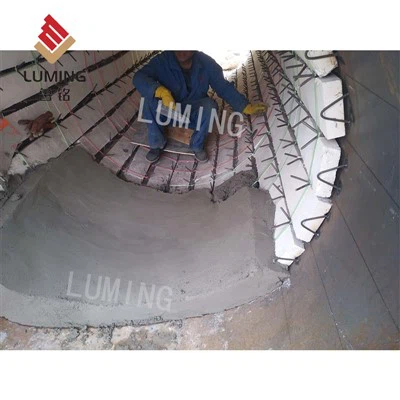
As a seasoned refractory anchor supplier, I've witnessed firsthand the critical role these components play in high - temperature and chemically aggressive environments. Refractory anchors are the unsung heroes that hold refractory linings in place, ensuring the integrity and longevity of industrial furnaces, kilns, and other high - heat equipment. One of the most challenging aspects they face is chemical attack, and in this blog, I'll delve into how refractory anchors resist this threat.
Understanding Chemical Attack on Refractory Anchors
Chemical attack occurs when refractory anchors come into contact with corrosive substances such as acids, alkalis, molten metals, and various gases. These substances can react with the materials of the anchor, causing degradation, weakening the structure, and ultimately leading to failure of the refractory lining. For example, in a steelmaking furnace, the presence of sulfur - containing gases and molten iron can pose a significant chemical threat to the anchors.
Material Selection for Chemical Resistance
The first line of defense against chemical attack is the proper selection of materials for refractory anchors. Different materials have different levels of resistance to specific chemicals.
Stainless Steel Anchors
Stainless Steel Anchors are a popular choice due to their excellent corrosion resistance. Stainless steel contains chromium, which forms a passive oxide layer on the surface. This layer acts as a barrier, preventing the penetration of corrosive agents. For instance, in applications where the environment contains mild acids or oxidizing agents, stainless steel grades like 304 or 316 can provide good protection. The addition of molybdenum in 316 stainless steel further enhances its resistance to pitting and crevice corrosion, making it suitable for more aggressive chemical environments.
Refractory Anchor Brick
Refractory Anchor Brick is another option. These bricks are made from high - alumina or other refractory materials. They are highly resistant to chemical attack from molten metals and high - temperature gases. The dense structure of refractory anchor bricks limits the diffusion of corrosive substances into the material. In glass - melting furnaces, where the molten glass can be highly corrosive, refractory anchor bricks can withstand the chemical assault and maintain their structural integrity over long periods.
Surface Treatments
In addition to material selection, surface treatments can significantly enhance the chemical resistance of refractory anchors.
Coating
Applying a protective coating on the surface of the anchor is a common practice. Ceramic coatings, for example, can provide an extra layer of protection against chemical attack. These coatings are designed to be chemically inert and can resist the action of acids, alkalis, and other corrosive substances. They also have good thermal stability, which is essential in high - temperature applications. Some coatings can form a self - healing layer, which can repair minor damage caused by chemical attack, prolonging the life of the anchor.
Passivation
For stainless steel anchors, passivation is a widely used surface treatment. It involves the removal of free iron and other contaminants from the surface of the stainless steel, followed by the formation of a more stable and protective oxide layer. This process enhances the corrosion resistance of the stainless steel, especially in environments where there is a risk of rusting or pitting.
Design Considerations
The design of refractory anchors also plays a crucial role in resisting chemical attack.
Geometry
The geometry of the anchor can affect its exposure to corrosive substances. An anchor with a simple and smooth design is less likely to trap corrosive agents compared to a complex - shaped one. For example, anchors with sharp corners or crevices can accumulate chemicals, leading to localized corrosion. A well - designed anchor should have a streamlined shape that allows for easy drainage of corrosive liquids and gases.
Placement
Proper placement of refractory anchors within the refractory lining is essential. Anchors should be placed in areas where they are less likely to be directly exposed to the most aggressive chemical environments. For example, in a furnace, anchors can be placed in regions where the flow of corrosive gases is less intense, or they can be shielded by additional refractory materials to reduce their exposure to chemicals.
Monitoring and Maintenance
Even with the best material selection, surface treatments, and design, refractory anchors still require regular monitoring and maintenance to ensure their long - term resistance to chemical attack.
Inspection
Regular visual inspections can detect early signs of chemical attack, such as corrosion, discoloration, or surface damage. Non - destructive testing methods, such as ultrasonic testing or magnetic particle testing, can be used to detect internal damage that may not be visible to the naked eye. By identifying problems early, appropriate measures can be taken to prevent further deterioration.


Replacement
When signs of significant chemical attack are detected, timely replacement of the affected anchors is necessary. Delaying replacement can lead to the failure of the entire refractory lining, which can result in costly downtime and repairs.
Conclusion
Refractory anchors are essential components in high - temperature and chemically aggressive industrial applications. Their ability to resist chemical attack is crucial for the reliable operation of furnaces, kilns, and other equipment. Through proper material selection, surface treatments, design considerations, and regular monitoring and maintenance, refractory anchors can effectively withstand the onslaught of corrosive substances.
If you are in need of high - quality refractory anchors that can resist chemical attack, I encourage you to reach out for a procurement discussion. Our team of experts is ready to provide you with the best solutions tailored to your specific requirements.
References
- "Handbook of Refractory Technology" by John Smith
- "Corrosion Resistance of Metals and Alloys" by David Johnson
- "Industrial Furnace Design and Operation" by Michael Brown