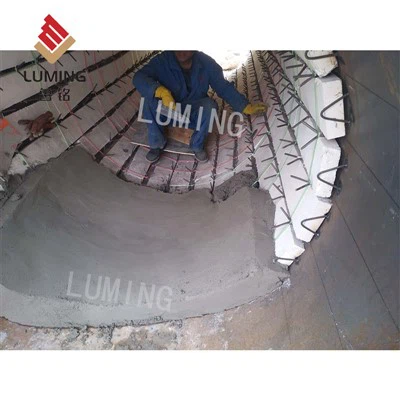
Hey there! As a supplier of Coke Ovens, I've seen firsthand the importance of proper maintenance. In this blog, I'm gonna share with you how coke ovens are maintained to keep them running smoothly and efficiently.
Regular Inspections
First off, regular inspections are key. We recommend doing visual inspections on a daily basis. This involves checking for any obvious signs of wear and tear, like cracks in the oven walls or damage to the doors. You'd be surprised how quickly a small crack can turn into a big problem if left unchecked.
During these daily inspections, we also look at the seals around the doors. A good seal is crucial to prevent heat loss and the escape of harmful gases. If the seals are worn out, they need to be replaced right away.
On a weekly basis, we conduct more in - depth inspections. This includes checking the heating elements and the ventilation system. The heating elements are what keep the coke oven at the right temperature, so any issues with them can really mess up the production process. And the ventilation system is important for removing the by - products of the coking process and maintaining a safe working environment.
Cleaning
Cleaning is another major part of coke oven maintenance. Coke ovens accumulate a lot of residue over time, and this residue can affect the performance of the oven. We usually clean the ovens after each batch of coke is produced.
The first step in cleaning is to remove any loose coke and ash from the oven floor and walls. We use special tools for this, like scrapers and brushes. After that, we use a high - pressure water jet to clean the remaining residue. This helps to get rid of any stubborn deposits that are stuck to the surfaces.
It's also important to clean the ventilation ducts regularly. Over time, these ducts can get clogged with dust and debris, which can reduce the efficiency of the ventilation system. We use vacuum cleaners and air blowers to clean the ducts and make sure the air can flow freely.
Repairs and Replacements
When it comes to repairs and replacements, it's all about being proactive. If we notice any small issues during our inspections, we address them right away. For example, if a heating element is starting to show signs of wear, we replace it before it fails completely.
Some parts of the coke oven, like the refractory bricks, need to be replaced periodically. These bricks line the inside of the oven and are exposed to high temperatures and chemical reactions. Over time, they can break down and need to be replaced. We usually have a schedule for replacing these bricks based on the usage of the oven.
We also keep a stock of spare parts on hand. This way, if something breaks down, we can quickly replace the part and get the oven back up and running. It's much better to have the parts ready than to wait for them to be delivered, which can cause significant downtime.
Monitoring and Adjustment
Monitoring the performance of the coke oven is essential for proper maintenance. We use a variety of sensors and monitoring systems to keep track of things like temperature, pressure, and gas flow.
If the temperature in the oven is too high or too low, we can adjust the heating elements accordingly. Similarly, if the pressure is off, we can make adjustments to the ventilation system. By constantly monitoring these parameters, we can ensure that the coke oven is operating at its optimal level.
Comparison with Other Kilns
It's interesting to compare the maintenance of coke ovens with other types of kilns, like the Lime Kiln, Ferronickel Kiln, and Strontium Salt Kiln.
Lime kilns, for example, are used to produce lime from limestone. The maintenance of lime kilns focuses more on the chemical reactions and the quality of the limestone feed. They also need to be cleaned regularly to prevent the build - up of lime deposits.
Ferronickel kilns are used to produce ferronickel from nickel ores. These kilns require careful monitoring of the alloying process and the temperature control. The refractory lining in ferronickel kilns also needs to be well - maintained due to the high - temperature and corrosive environment.
Strontium salt kilns are used in the production of strontium salts. The maintenance of these kilns involves ensuring the proper mixing of raw materials and the control of the reaction conditions.
While there are some differences in the maintenance requirements of these kilns, there are also many similarities. For example, regular inspections, cleaning, and the replacement of worn - out parts are important for all of them.
Training and Safety
Proper training of the operators is crucial for the maintenance of coke ovens. Operators need to know how to operate the oven safely and how to perform basic maintenance tasks. We provide training programs for our customers to ensure that their staff is well - equipped to handle the coke ovens.


Safety is also a top priority. Coke ovens operate at high temperatures and involve the handling of hazardous materials. We make sure that all safety protocols are in place and that the operators are aware of them. This includes wearing appropriate protective gear, like heat - resistant clothing and goggles.
Contact for Purchase and Maintenance
If you're in the market for a coke oven or need help with the maintenance of your existing oven, don't hesitate to reach out. We've got the expertise and the products to meet your needs. Whether you're a small - scale producer or a large industrial facility, we can provide you with the right solutions.
References
- "Coke Oven Technology and Operations" - Industry handbook on coke oven design and maintenance.
- "Kiln Maintenance Best Practices" - General guide on maintaining different types of kilns.
- "Safety in High - Temperature Industrial Processes" - Resource on safety protocols for coke ovens and other kilns.