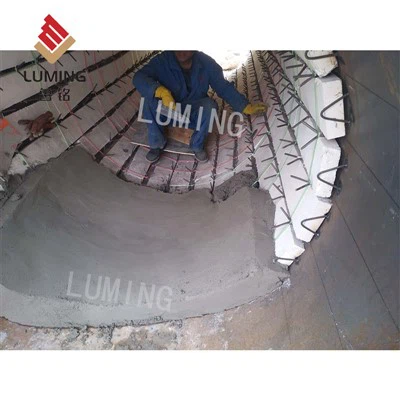
Building your own glass kiln is a question that often pops up among glass enthusiasts, artists, and hobbyists. As a supplier of glass kilns, I've had numerous inquiries regarding the feasibility of DIY glass kiln construction. In this blog, I'll explore the possibilities, challenges, and considerations when it comes to building your own glass kiln.
Understanding the Basics of a Glass Kiln
Before delving into the DIY aspect, it's essential to understand what a glass kiln is and how it works. A glass kiln is a specialized oven designed to heat glass to specific temperatures for various processes such as fusing, slumping, and annealing. The key components of a glass kiln typically include an insulated chamber, heating elements, a temperature controller, and a ventilation system.
The insulated chamber is crucial as it helps to retain heat and maintain a consistent temperature throughout the firing process. The heating elements, usually made of materials like nichrome or silicon carbide, are responsible for generating the heat required to reach the desired temperature. The temperature controller allows you to set and monitor the temperature accurately, ensuring that the glass is processed under the right conditions. The ventilation system helps to remove any fumes or gases produced during the firing process, keeping the working environment safe.
The Feasibility of Building Your Own Glass Kiln
Building your own glass kiln is indeed possible, but it's not without its challenges. One of the main advantages of building your own kiln is cost savings. Commercial glass kilns can be quite expensive, especially for larger or more advanced models. By building your own, you can potentially save a significant amount of money, especially if you already have some basic tools and materials on hand.
However, there are several factors to consider before embarking on a DIY glass kiln project. Firstly, you need to have a good understanding of the technical aspects of kiln construction. This includes knowledge of electrical systems, insulation materials, and heat transfer principles. Without this knowledge, it can be challenging to build a kiln that functions properly and safely.
Secondly, building a glass kiln requires access to the right tools and materials. You'll need tools such as a drill, saw, and welding equipment, as well as materials like refractory bricks, insulation board, and heating elements. Some of these materials can be difficult to source, especially if you're looking for high-quality or specialized products.
Finally, safety is a major concern when building and using a glass kiln. Glass kilns operate at high temperatures, and improper construction or use can lead to serious accidents, including fires, burns, and electrical shocks. It's essential to follow all safety guidelines and regulations when building and using your kiln.
Steps to Building Your Own Glass Kiln
If you've decided that building your own glass kiln is the right option for you, here are the general steps involved in the process:
Step 1: Design Your Kiln
The first step is to design your kiln based on your specific needs and requirements. Consider factors such as the size of the kiln, the type of glass you'll be working with, and the firing processes you'll be using. You can find many kiln design plans online or in books, or you can create your own design.
Step 2: Gather Materials and Tools
Once you have a design in place, you'll need to gather the necessary materials and tools. As mentioned earlier, this includes refractory bricks, insulation board, heating elements, a temperature controller, and various tools for construction. Make sure to source high-quality materials to ensure the longevity and performance of your kiln.
Step 3: Build the Kiln Chamber
The next step is to build the kiln chamber. This involves constructing the frame of the kiln using metal or wood and lining it with refractory bricks or insulation board. Make sure to leave enough space for the heating elements and ventilation system.
Step 4: Install the Heating Elements
Once the kiln chamber is built, you'll need to install the heating elements. This involves wiring the elements to the temperature controller and mounting them inside the kiln chamber. Make sure to follow the manufacturer's instructions carefully when installing the heating elements.
Step 5: Install the Temperature Controller
The temperature controller is a crucial component of the kiln, as it allows you to set and monitor the temperature accurately. Install the temperature controller according to the manufacturer's instructions, and make sure to calibrate it before using the kiln.


Step 6: Test the Kiln
Before using the kiln for the first time, it's important to test it to make sure it's functioning properly. This involves heating the kiln to a low temperature and monitoring the temperature controller to ensure that it's maintaining the desired temperature. Make any necessary adjustments before using the kiln for glass processing.
Alternatives to Building Your Own Glass Kiln
While building your own glass kiln can be a rewarding project, it's not the only option. If you're not comfortable with the technical aspects of kiln construction or don't have the time or resources to build your own kiln, you can consider purchasing a commercial glass kiln.
Commercial glass kilns come in a variety of sizes, styles, and price ranges, making it easy to find a kiln that meets your specific needs and budget. They also come with a warranty and technical support, which can give you peace of mind knowing that you're getting a reliable and safe product.
As a glass kiln supplier, I offer a wide range of commercial glass kilns that are suitable for both beginners and professionals. Our kilns are made from high-quality materials and are designed to provide consistent and reliable performance. Whether you're looking for a small tabletop kiln for hobby use or a large industrial kiln for commercial production, we have the perfect solution for you.
Other Types of Kilns
In addition to glass kilns, there are several other types of kilns used in various industries. For example, Coke Oven is used in the production of coke, a fuel used in the steel industry. Cement Kiln is used in the production of cement, one of the most widely used construction materials in the world. Lime Kiln is used in the production of lime, a key ingredient in many industrial processes.
Contact Us for Glass Kiln Purchase
If you're interested in purchasing a glass kiln or have any questions about our products, please don't hesitate to contact us. Our team of experts is here to help you find the perfect kiln for your needs and provide you with all the information and support you need. We offer competitive prices, fast shipping, and excellent customer service, so you can be confident that you're making the right choice when you choose us as your glass kiln supplier.
References
- "Glass Fusing Basics" by Mark Peiser
- "The Complete Guide to Kiln Firing" by Susan F. Morse
- "Kiln Building: A Step-by-Step Guide" by Peter Turner