


Refractory Submerged Entry Nozzle for Steel Continuous Casting
Contact us:
Tel/WhatsApp:0086-18905335290
Email:luming@lm-kiln.com
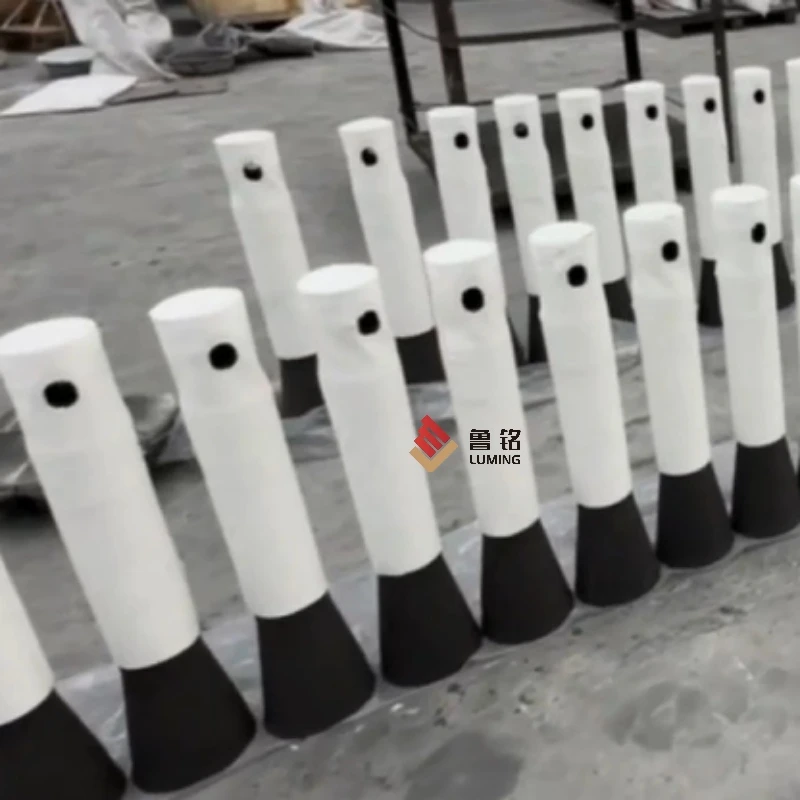
A Submerged Entry Nozzle (SEN) is an important functional refractory used in continuous steel casting. It is installed at the bottom of the tundish, with its lower end immersed below the molten steel level in the mold. The SEN provides a protected flow channel for molten steel from the tundish into the mold.
A properly designed SEN helps reduce secondary oxidation, improve molten steel flow in the mold, and maintain stable casting conditions. It also plays an important role in improving steel cleanliness and cast product quality.
Key Functions of Submerged Entry Nozzle
1. Protects Molten Steel from Secondary Oxidation:Provides a protected passage for molten steel from the tundish to the mold, reducing direct contact with air and the risk of secondary oxidation and nitrogen pickup.
2. Controls Molten Steel Flow:The internal bore and outlet design control the direction and distribution of molten steel entering the mold, helping maintain a more stable flow pattern.
3. Reduces Mold Slag Entrapment and Surface Turbulence:Proper outlet design helps reduce excessive turbulence and mold-level fluctuations, lowering the risk of mold slag being drawn into the molten steel.
4. Promotes Inclusion and Gas Flotation:A suitable flow pattern provides better conditions for the flotation of non-metallic inclusions and argon bubbles, contributing to improved steel cleanliness.
5. Supports Stable Shell Growth and Cast Product Quality:More uniform steel flow and heat distribution help promote uniform shell growth and reduce the risk of certain surface and internal defects.
6. Resists Erosion, Corrosion and Clogging:Carefully selected refractory materials provide resistance to molten steel and mold slag attack while helping reduce clogging of the inner bore and outlet ports.
7. Supports Stable and Long-Sequence Casting:Good thermal shock resistance, erosion resistance and anti-clogging performance help maintain stable steel flow and extend SEN service life, supporting longer and more consistent casting sequences.
Technical Data Sheet
|
Item |
Alumina-Carbon SEN |
Alumina-Zirconia-Carbon SEN |
||
|
Al₂O₃-C Body |
ZrO₂-C Slag Line |
Al-Zr-C Body |
ZrO₂-C Slag Line |
|
|
Al2O3, % |
50–65 |
/ |
45–60 |
/ |
|
C, % |
20–30 |
12–18 |
18–26 |
10–16 |
|
SiO2, %,≤ |
6 |
3.5 |
5 |
2 |
|
ZrO2,% |
/ |
60–72 |
5–15 |
75–85 |
|
Bulk Density,g/cm³ |
2.25 – 2.35 |
3.80 – 4.10 |
2.35 – 2.50 |
4.15 – 4.45 |
|
Apparent Porosity,% ,≤ |
16– 18 |
14 – 16 |
14 – 16 |
11 – 13 |
|
Cold crushing strength,MPa,≥ |
20 – 28 |
30 – 38 |
25 – 35 |
38 – 50 |
|
Cold Modulus of Rupture,MPa,≥ |
6 – 9 |
6 – 9 |
6– 9 |
6– 9 |
|
Thermal Shock resistance,1100°C, water-cooling,cycles,≥ |
6 – 8 |
5 |
5 – 7 |
5 |
Technical data can be customized according to steel grade, casting speed, tundish design and operating conditions.
Structure
The structure of a Submerged Entry Nozzle (SEN) plays an important role in its performance. It directly affects molten steel flow, temperature distribution in the mold and the quality of the cast product.
When designing an SEN, both the flow characteristics of molten steel and the refractory requirements of different working areas need to be considered. From top to bottom, the nozzle generally consists of four main sections: the upper bowl, straight body section, slag line and outlet section.
|
Structure |
Main Functions |
Common Materials |
Key Performance Requirements |
Typical Failure Modes |
|
Bowl / Inlet Section |
Connects with the tundish nozzle or flow-control system; guides molten steel smoothly into the SEN bore; maintains reliable connection and sealing |
Alumina-Carbon (Al-C); Alumina-Zirconia-Carbon (Al-Zr-C); high-purity alumina or zirconia-based composites |
High dimensional accuracy, mechanical strength, thermal shock resistance, corrosion resistance, and connection stability; good compatibility with the mating nozzle. |
Interface wear; thermal cracking; edge spalling; mechanical damage; leakage at the connection. |
|
Body / Straight Section |
Forms the main body of the SEN; provides a continuous molten steel flow channel; protects molten steel from air exposure; withstands high-temperature steel flow and thermal stress. |
Alumina-Carbon (Al-C); Alumina-Zirconia-Carbon (Al-Zr-C); alumina-graphite composites. |
High thermal shock resistance, mechanical strength, erosion resistance, oxidation resistance, low wettability, and dimensional stability. |
Inner-bore erosion; outer-wall erosion; thermal cracking; spalling; local deformation; bore clogging. |
|
Slag Line Section |
Located in the area exposed to molten steel and mold flux; resists chemical corrosion and mechanical erosion; protects a critical working zone and extends nozzle service life. |
Zirconia-based materials; Zirconia-Carbon (Zr-C); zirconia-graphite; zirconia-enhanced composites. |
Excellent corrosion and erosion resistance; good thermal shock resistance, slag resistance, and structural stability. |
Rapid slag-line erosion; localized wear or grooving; chemical corrosion; spalling; localized penetration. |
|
Outlet Section / Outlet Ports |
Delivers molten steel into the mold; controls flow direction and flow pattern through the number, diameter, and angle of outlet ports; helps stabilize the mold level and reduce the risk of mold-flux entrainment. |
Alumina-Zirconia-Carbon (Al-Zr-C); Alumina-Carbon (Al-C); zirconia-enhanced composites. |
High erosion resistance, corrosion resistance, thermal shock resistance, and anti-clogging performance; precise outlet dimensions and angles for stable molten steel flow. |
Outlet-port erosion and enlargement; outlet deformation; clogging; thermal cracking; spalling; asymmetric or unstable steel flow. |
Applications
Luming Submerged Entry Nozzles are suitable for various continuous casting applications, including:
1.Slab Continuous Casting
2.Billet Continuous Casting
3.Bloom Continuous Casting
4.Beam Blank Casting
5.Carbon Steel
6.Low-Carbon Steel
7.Aluminum-Killed Steel
8.Alloy Steel
9.High-Quality Steel
10.High-Speed Continuous Casting
SEN designs can be adapted to different caster sizes, casting speeds, steel grades and tundish configurations.
Types & Designs of Submerged Entry Nozzles (SEN)
Submerged Entry Nozzles (SENs) play an important role in continuous casting. They guide molten steel from the tundish into the mold while protecting the steel stream from direct contact with air. The nozzle design has a direct effect on steel flow, mold-level stability, inclusion behavior, and service life.
Different casting machines and operating conditions require different SEN designs. The number and shape of outlet ports, bore diameter, internal flow channel, and refractory material can all be adjusted to suit the application. Luming supplies Two-Port, Single-Port, Multi-Port, and Special-Flow SENs for slab, thin slab, billet, and bloom casting.
Material selection is also made according to the working conditions. Al-C, Al-Zr-C, Zr-C, and composite refractory constructions are available. Zirconia-based materials can be used in the slag-line or other high-wear areas where better resistance to molten steel and mold flux is needed.
For casting conditions where nozzle clogging or unstable flow is a concern, we can also provide Anti-Clogging, Flow-Control, and Argon-Assisted SENs. The bore and outlet design can be adjusted to improve steel flow and reduce alumina buildup.
From standard sizes to special designs, Luming can manufacture SENs according to the caster type, steel grade, casting speed, mold dimensions, and customer drawings. The aim is simple: keep the steel flow stable and the nozzle working reliably throughout the casting sequence.
Packaging and Shipping
1.All delivered goods are packaged in strict compliance with the buyer's requirements as well as relevant national and industry standards.
2.Shaped products such as refractory bricks and precast blocks are typically packaged on wooden pallets, wrapped with stretch film for sealing, and secured with plastic-steel strapping.
3.Unshaped refractory materials are packaged in 25-50kg plastic bags, with additional outer protection using bulk bags.
4.Our company provides customized packaging solutions including containers, wooden cases, metal boxes, and moisture-proof marine packaging, fully compliant with both local regulations and corporate requirements in your market.
FAQ
1. How do I choose the right SEN?
SEN selection depends on several factors, including steel grade, casting speed, mold dimensions, tundish design, mold slag, required casting sequence and operating conditions. The refractory composition, nozzle dimensions and outlet design should be considered together to achieve the required flow and service life.
2. What is SEN clogging?
SEN clogging refers to the gradual buildup of non-metallic inclusions and reaction products on the inner bore or outlet ports of the nozzle. As deposits build up, they can restrict the steel flow, change the flow pattern and affect casting stability.
3. Can an SEN be designed to reduce clogging?
Yes. For steel grades with a higher risk of nozzle clogging, the inner-bore material, refractory composition and nozzle structure can be adjusted according to the actual casting conditions. These measures can help reduce inclusion deposition and maintain a more stable steel flow.
4. What causes SEN clogging?
SEN clogging is mainly related to the deposition and adhesion of non-metallic inclusions and reaction products inside the nozzle. Factors such as steel chemistry, deoxidation practice, molten steel temperature, inclusion characteristics, refractory composition and casting conditions can all affect the tendency of clogging.
5. Can you manufacture SENs according to customer drawings?
Yes. We can manufacture Submerged Entry Nozzles according to customer drawings, dimensions or technical specifications. The overall length, inner bore, wall thickness, slag-line length, outlet diameter, outlet angle and outlet position can be customized to match different continuous casting systems.
6.What materials are commonly used for SEN?
Common SEN materials include Alumina-Carbon (Al₂O₃-C), Alumina-Zirconia-Carbon (Al₂O₃-ZrO₂-C), and Zirconia-Carbon (ZrO₂-C). Different materials can be used in the body, slag line and other working areas according to the casting conditions.
7.What is the difference between SEN and Ladle Shroud?
A Ladle Shroud connects the ladle to the tundish and protects molten steel during ladle-to-tundish transfer. A Submerged Entry Nozzle connects the tundish to the mold and delivers molten steel below the mold surface.
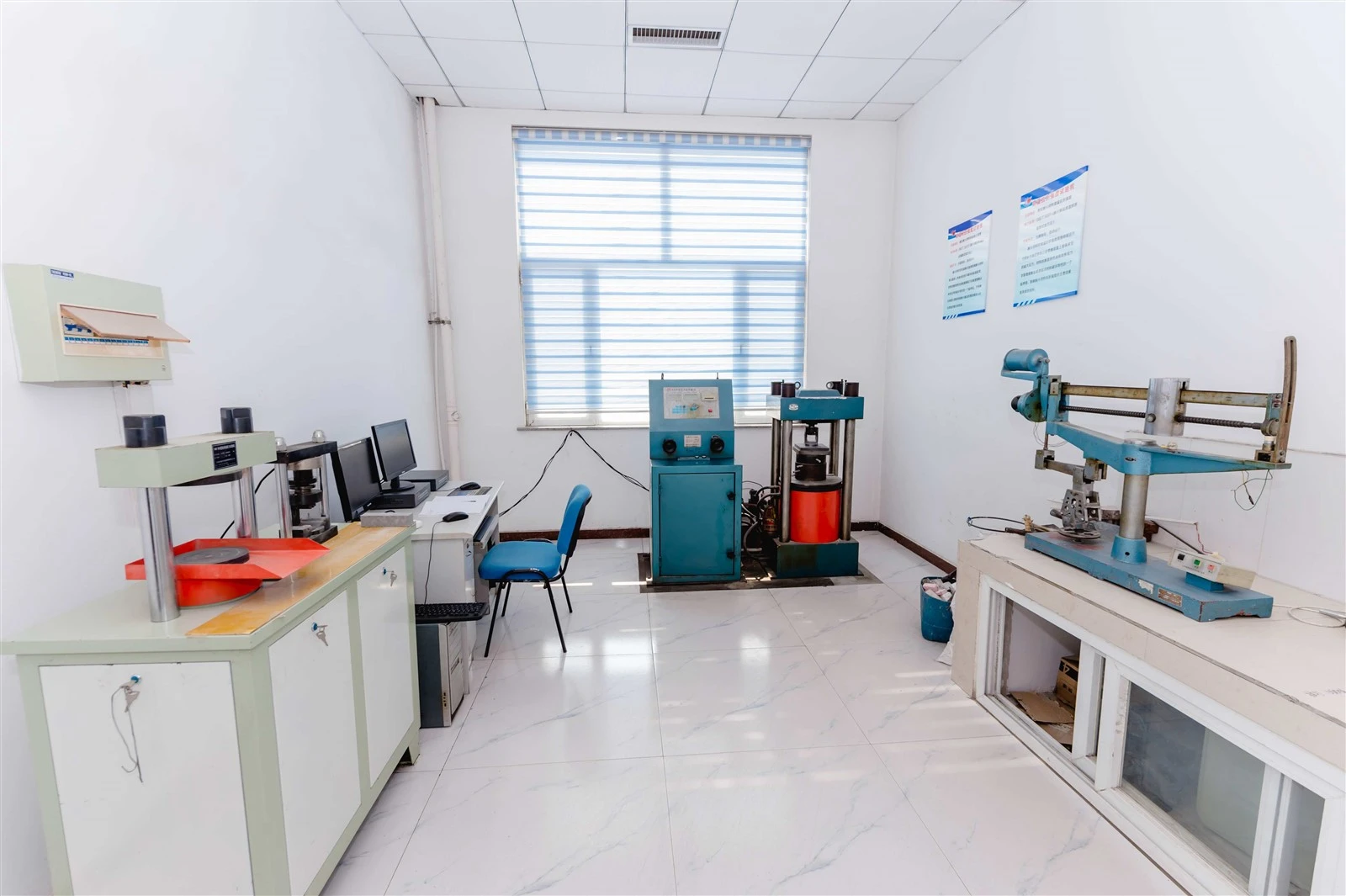
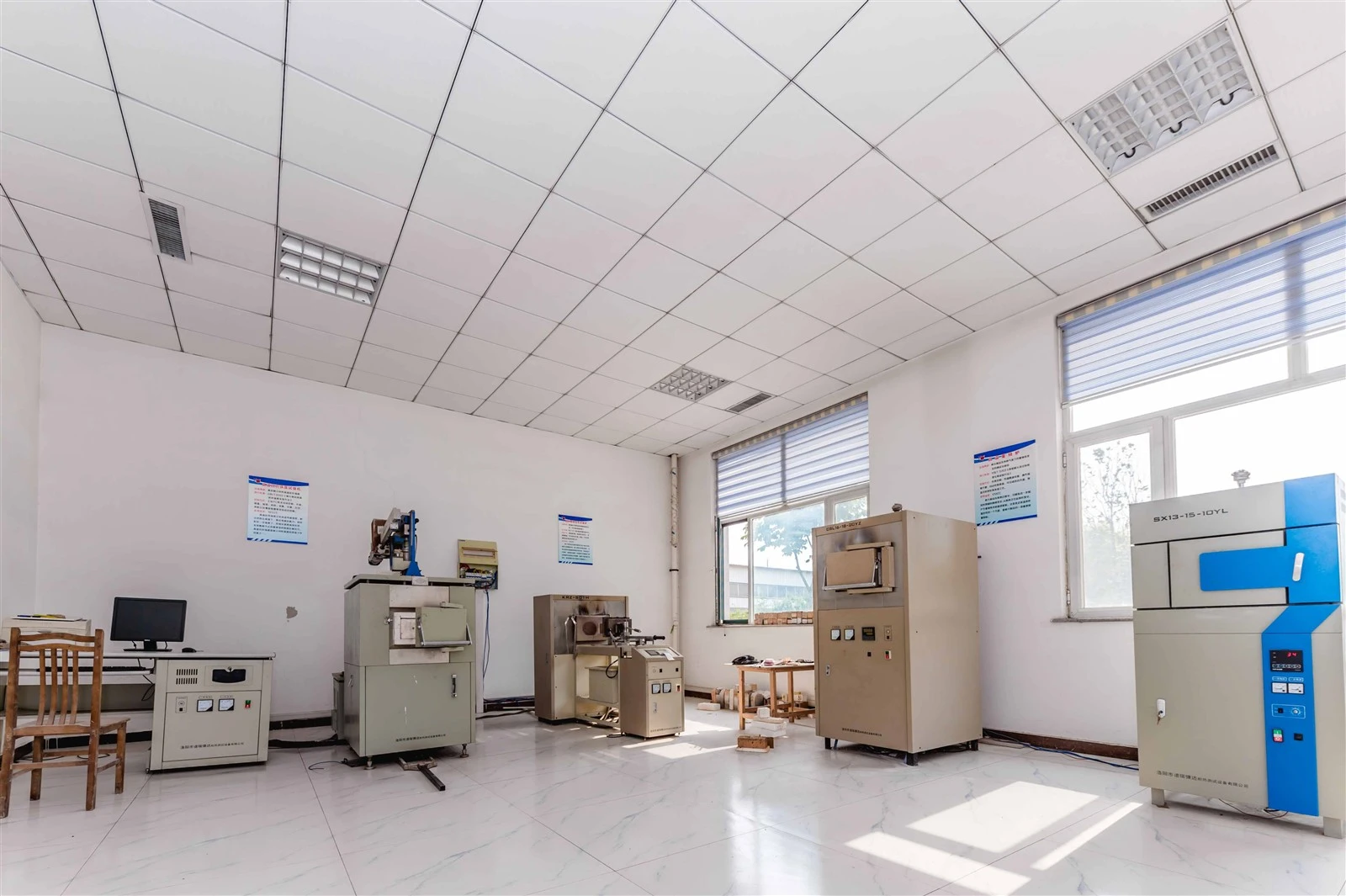
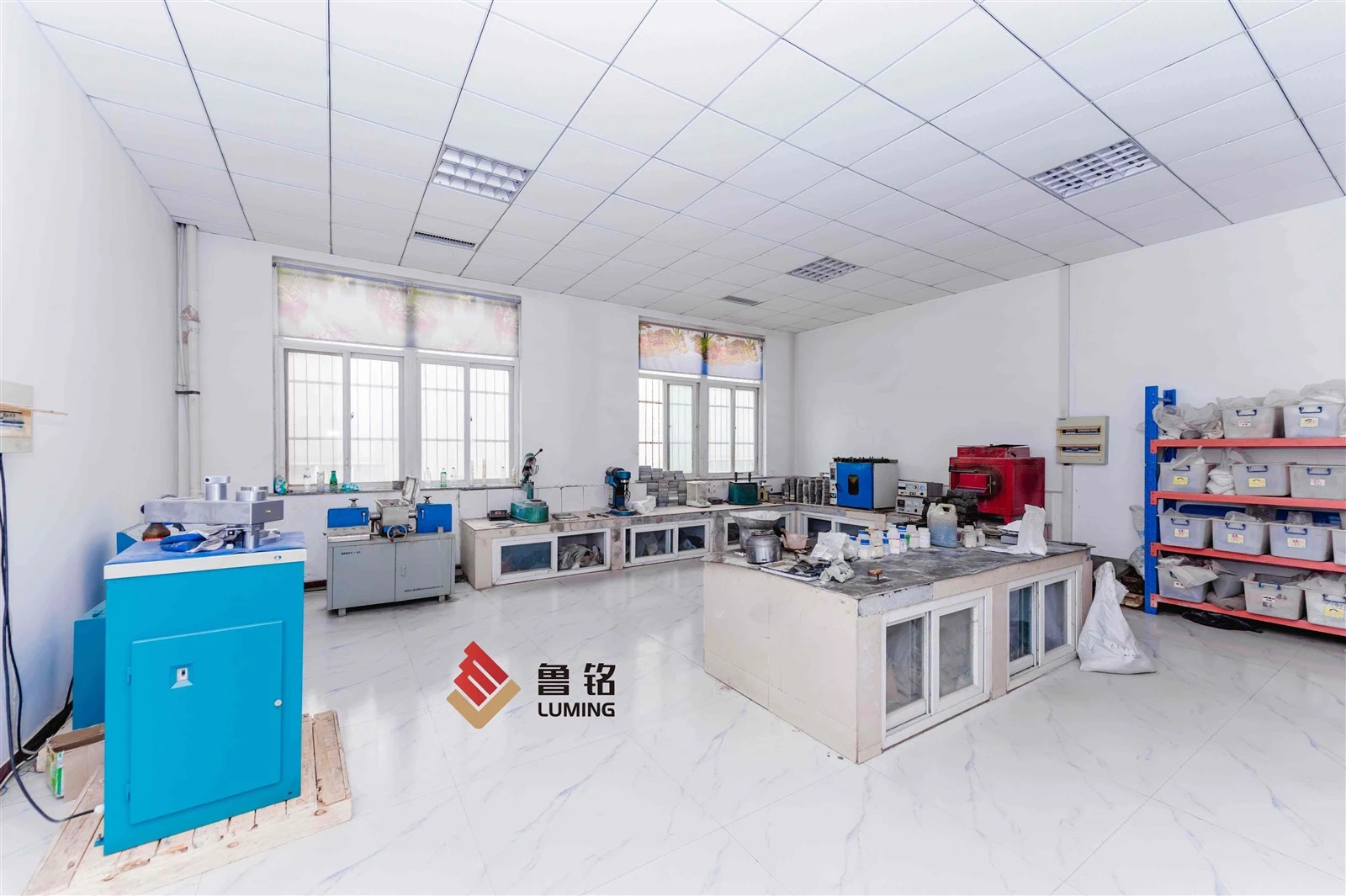
Advanced Physical and Chemical Experimental Testing Equipment and Standardized Physico-Chemical Laboratory

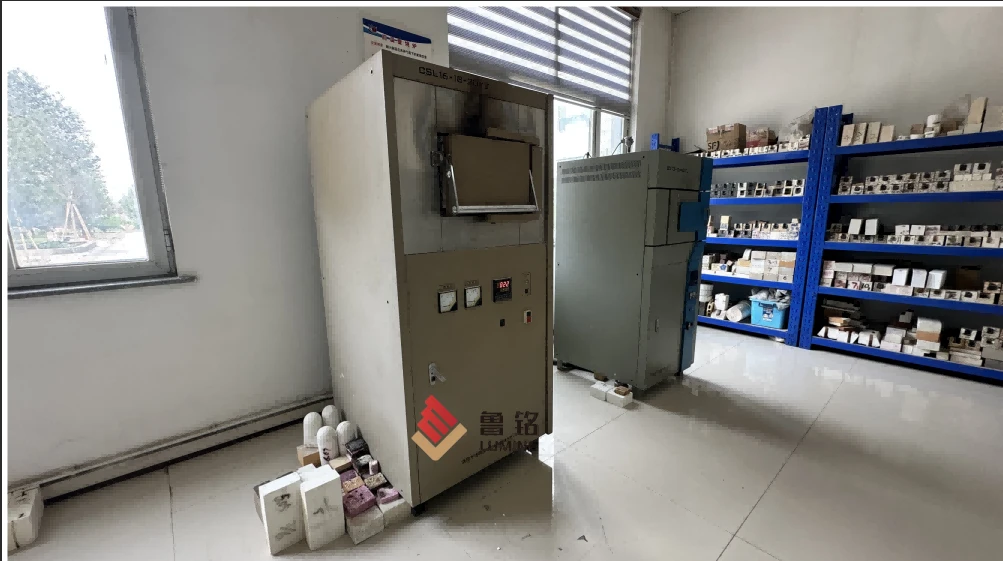

CORPORATE ENVIRONMENT AND FACILITIES

Fully Automated Castable Refractory Production Line in Workshop 1

Precast Production Site in Workshop 1

Special Refractory Production and Firing Workshop Site
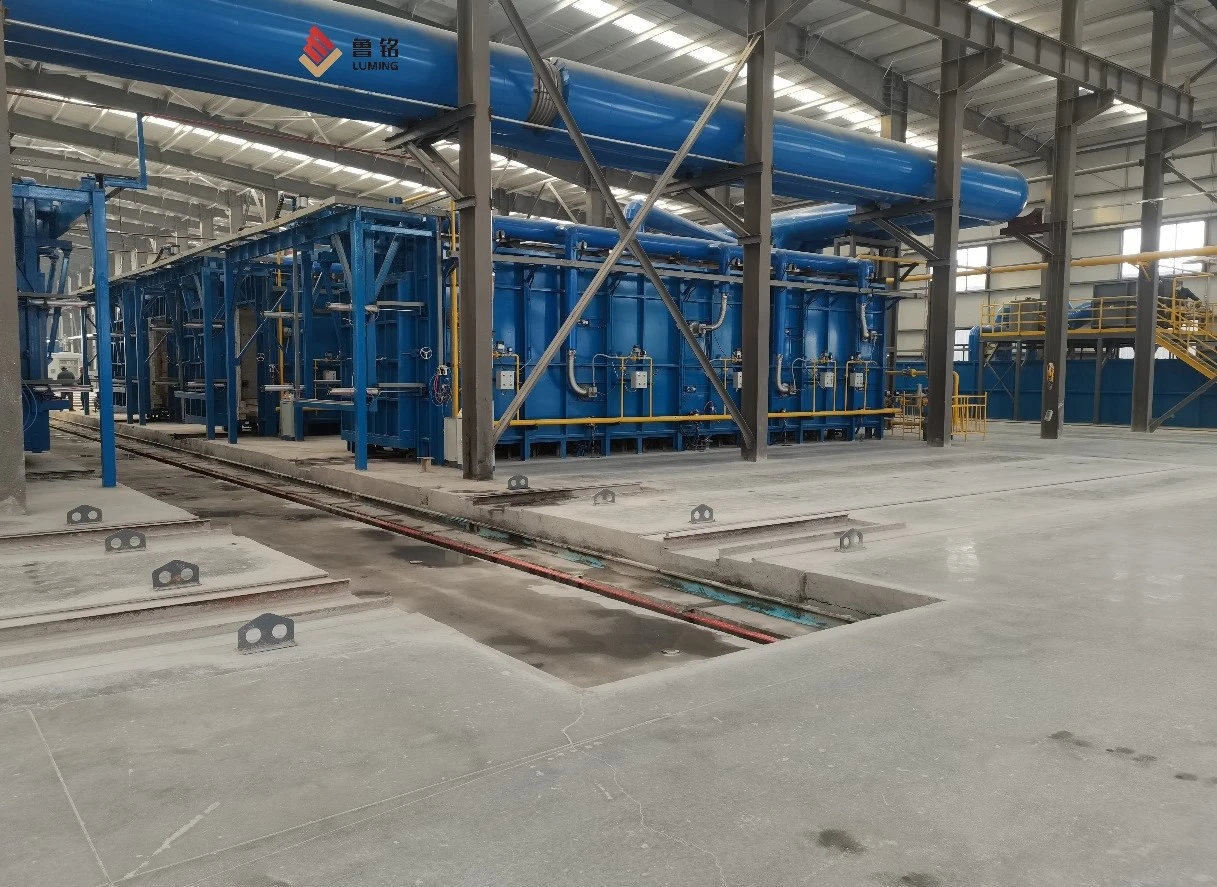
7 × 52m³ Shuttle Kilns in Special Refractory Workshop

75m Firing Tunnel Kiln in Special Refractory Workshop

Fully Automatic Glaze Spraying Equipment
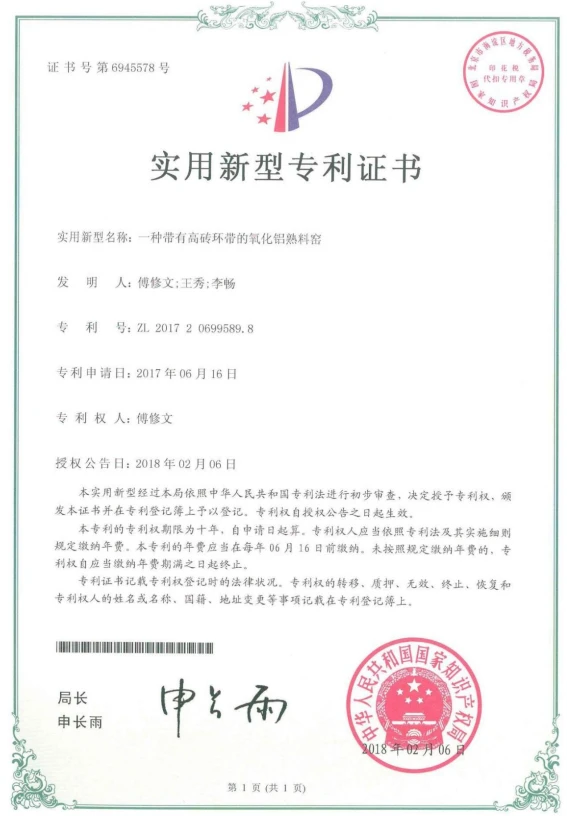
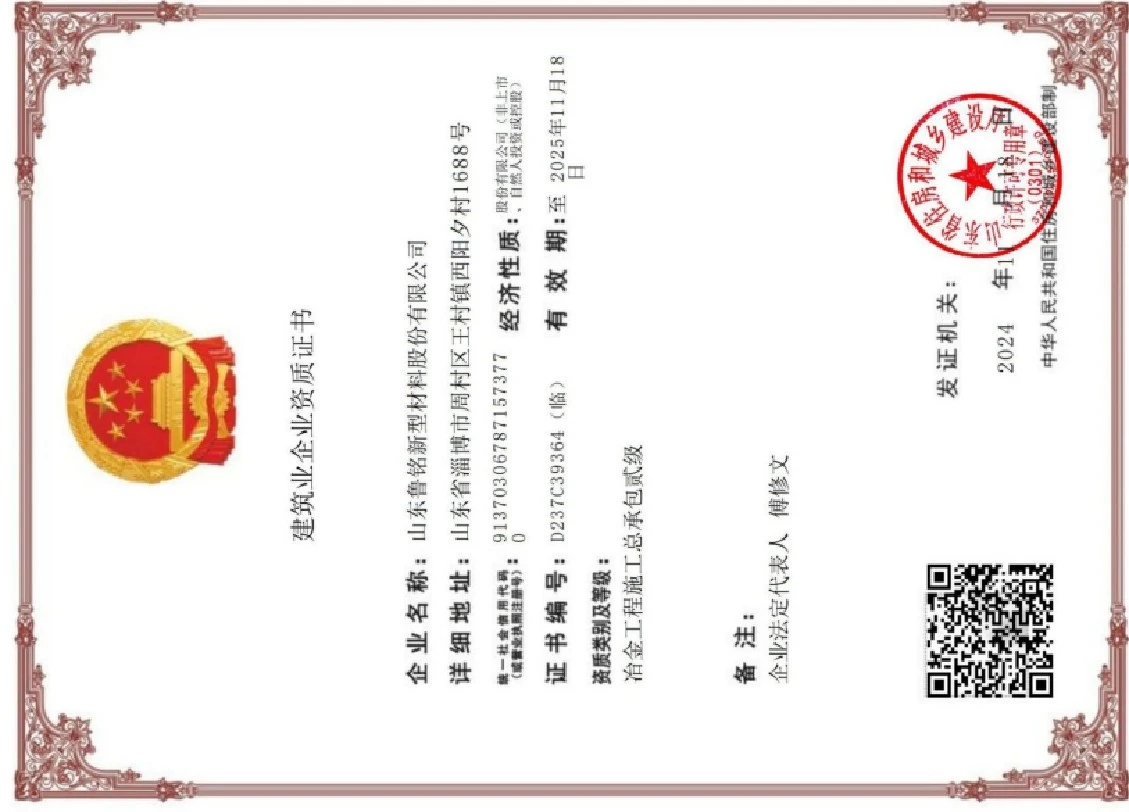
Our Certifications and qualifications and Honors

 ISO1400




Hot Tags: submerged entry nozzle for continuous casting, China submerged entry nozzle for continuous casting manufacturers, suppliers, factory


