


Shandong Luming New Materials Technology Co., Ltd. is one of the leading manufacturers and suppliers of ceramic brick in China. We have world-leading production equipment and strong manufacturing capabilities. Please feel free to buy premium ceramic brick at competitive price from our factory.
Ceramic brick is 85% Alumina Phosphated Bond ceramic anchor brick.It is high-performance refractory material made primarily from high-alumina bauxite clinker, using phosphate-based binders (such as aluminum dihydrogen phosphate or phosphoric acid). It combine the excellent refractory properties of high-alumina materials with the chemical stability of phosphate bonding, making them suitable for anchoring structures in high-temperature kilns and furnaces. Anchoring bricks connect to furnace shells through metal anchoring components (usually stainless steel or heat-resistant steel). Anchoring component design must consider thermal expansion differences to avoid excessive thermal stress. Installation requires precise control of anchoring depth and angle to ensure overall stability of the lining system.
Phosphate-bonded high alumina anchoring bricks physical and chemical details:
|
Item |
|
|
Al2O3 ≥ |
82%-85% |
|
Fe2O3 ≤ |
1.5% |
|
SiO2 ≤ |
8% |
|
CaO ≤ |
0.4% |
|
TiO2 ≤ |
3.1% |
|
MgO ≤ |
0.1% |
|
P2O5 ≤ |
1.7% |
|
Compressive strengh ≥ |
85Mpa |
|
Bulk density ≥ |
2.9g/cm 3 |
|
0.2MpaRefractoriness under load ≥ |
1600℃ |


Features of Ceramic Anchor Refractory Brick
Excellent High-Temperature Performance
Due to the use of high-alumina aggregates, it boasts high refractoriness, high load softening point, and good creep resistance, maintaining structural stability at high temperatures.
01
Superior Wear Resistance
The high hardness of high-alumina materials ensures excellent abrasion resistance, capable of withstanding erosion and abrasion from high-temperature gas flows and materials.
02
Outstanding Thermal Shock Resistance
The phosphate bonding provides enhanced elasticity and toughness, preventing cracking and spalling caused by rapid temperature fluctuations, thereby extending service life.
03
High Ambient and Medium Temperature Strength
The phosphate binder forms high strength even without firing or with low-temperature firing, which is beneficial for transportation, construction, and initial use.
04
Chemical Corrosion Resistance
It offers a certain degree of resistance to acidic or alkaline slags and gases, making it particularly effective against clinker erosion in cement kilns.
05
Ease of Construction
Compared to fired bricks, phosphate-bonded bricks can sometimes be produced and used in an unfired or low-temperature baked state, simplifying the production process and sometimes facilitating construction.
06
Good Anchoring Properties
The specially designed anchoring structure ensures the stability and safety of the lining, reducing the risk of brick detachment.
07
Application Fields
Phosphate-bonded high alumina anchoring bricks are primarily used in the following high-temperature industrial equipment:
Cement Rotary Kilns: Particularly in preheating zones, decomposing furnaces, kiln inlets, and cooler sections, where their excellent wear resistance and thermal shock resistance make them ideal lining materials.
Heating Furnaces: Various industrial heating furnace applications including furnace walls and roofs that require high temperature and wear resistance.
Non-ferrous Metal Smelting Furnaces: Such as aluminum electrolytic cells, copper-nickel smelting furnaces, where refractory materials require good corrosion resistance.
Waste Incinerators: Where materials need to withstand high temperatures, corrosive gases, and abrasive conditions.
Lining systems of petrochemical catalytic reactors
Key structural parts of glass melting furnaces
Other Industrial Kilns: Suitable for all applications requiring high strength, excellent wear resistance, superior thermal shock resistance, and reliable anchoring performance.
Repair & Lining: The rapid hardening property of phosphate bonding also makes it suitable for localized repairs.
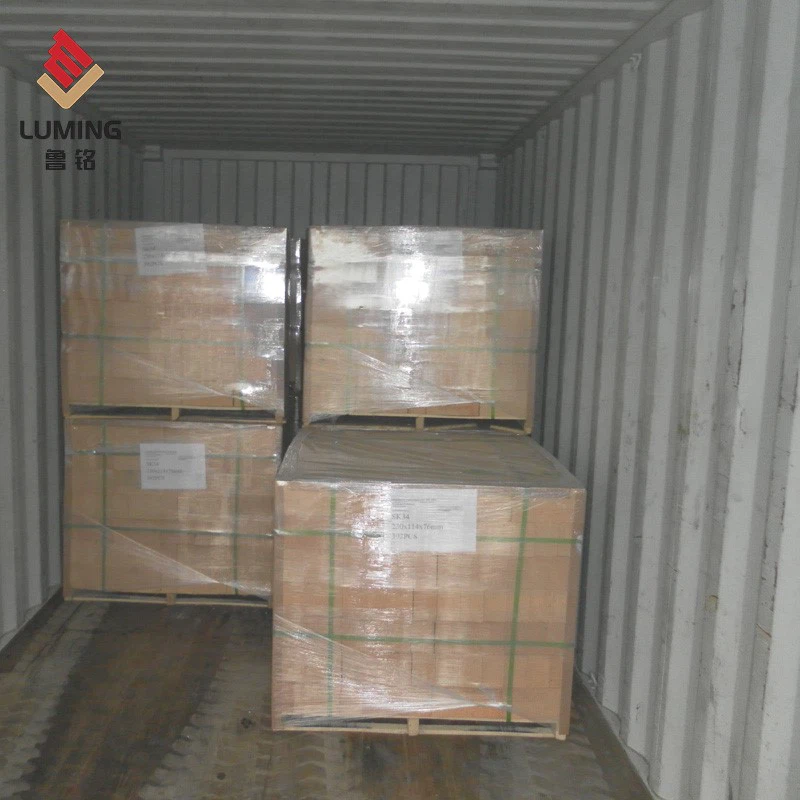
Packaging and Shipping of Ceramic Brick
1.Packed on wooden pallets with moisture-proof film to prevent damage.
2.Keep in dry, ventilated areas.
Our Company


FAQ
Hot Tags: ceramic brick, China ceramic brick manufacturers, suppliers, factory, Phosphate-bonded Corundum Brick, Phosphate-bonded Composite Brick, High Aluminium Phosphate Bonded Abrasion Resistant Brick, Phosphate-bonded High Alumina Brick, phosphate-bonded brick, Ceramic Brick


