


Andalusite bricks are a type of high-grade alumino-silicate refractory material made primarily from andalusite. Andalusite is a natural aluminum silicate mineral with the chemical composition Al₂SiO₅.Andalusite transforms into mullite (3Al₂O₃·2SiO₂) at high temperatures, which imparts excellent refractory properties.
Production Process
The production process of andalusite bricks typically includes the following main steps:
Raw Material Preparation
High-quality natural andalusite ore is selected, then crushed, ground, and sieved to prepare aggregates and fine powders of various particle sizes.Depending on product requirements, mullite aggregate, high-purity alumina powder, silica fume, etc., may be added as crystalline phases, along with binders or sintering aids such as clay, bauxite cement, or phosphates.
Batching and Mixing
All raw materials are precisely weighed according to strict formulation ratios and then uniformly mixed in a mixer to ensure material homogeneity and plasticity.
Forming
The mixed material is pressed into brick blanks using a hydraulic presses under high pressure or manual molding. Common shapes include standard bricks and special-shaped bricks.
Drying
The formed brick blanks, which contain a certain amount of moisture, are slowly dried in a drying kiln to remove water and prevent cracking due to rapid water evaporation during sintering.
Sintering
The bricks are sintered in high-temperature tunnel kilns or shuttle kilns at temperatures typically between 1400-1600°C. During sintering, andalusite undergoes mullitization, forming a stable crystalline structure.
Inspection and Packaging
The finished bricks are inspected for appearance, dimensions, refractoriness, and strength. Qualified bricks are packaged and stored.
Technical Specifications of Andalusite Bricks
|
Item |
Andalusite refractory brick |
|
|
A-60 |
A-76 |
|
|
Al2O3, ≥% |
60 |
76 |
|
Fe2O3, ≤% |
0.9 |
0.7 |
|
Bulk Density, ≥g/cm³ |
2.52 |
2.76 |
|
Apparent Porosity ,≤% |
16 |
16 |
|
Cold Crushing strength, ≥Mpa |
80 |
100 |
|
0.2Mpa Refractoriness under load, ≥℃ |
1650 |
1700 |
|
Thermal shock resistance(1100℃water-cooling)Times, ≥ |
20 |
20 |


Characteristics of Andalusite Brick
Excellent High-Temperature Resistance
Andalusite undergoes an irreversible phase transformation at high temperatures (above approximately 1350oC), forming mullite and a small amount of glassy phase. Mullite has a high melting point (around 1850oC), giving andalusite refractory bricks a high refractoriness (typically exceeding 1750oC).
01
Good Thermal Shock Resistance
During heating, andalusite undergoes slight volume expansion (approximately 3%-5%), forming a network of needle-like mullite crystals, which enhances the brick's resistance to thermal shock, making it suitable for environments with significant temperature fluctuations.
02
Excellent Chemical Corrosion Resistance
Andalusite bricks are highly resistant to acidic or weakly alkaline slag corrosion, making them ideal for areas in contact with molten slag.
03
High Strength
The mullite phase provides excellent mechanical strength at both room temperature and high temperatures, capable of bearing certain mechanical loads.
04
Good Wear Resistance
After mullitization, the brick exhibits high mechanical strength and wear resistance, suitable for high-load operating conditions.
05
Low Creep Rate
Minimal deformation under prolonged high-temperature exposure.
06
Low thermal expansion coefficient
Maintaining relatively stable volume at high temperatures, which prevents the bricks from cracking during temperature fluctuations.
07
Volume stability
Negligible shrinkage or expansion at high temperatures.
08
Applications
Due to their excellent properties, red pillar stone bricks are widely used in various high-temperature industrial sectors, including:
Metallurgical Industry:
1).Used in the linings of blast furnaces, hot blast stoves, torpedo ladles,steel ladles, and converters,particularly suitable for hot blast pipes and combustion chambers due to their thermal shock resistance and high-temperature performance.
2).Applied in iron pretreatment equipment to resist corrosion from molten iron and slag.
3).Electric furnace roofs, iron runners.
Glass Industry: Used in certain parts of glass melting furnaces (such as tank walls and bottoms,regenerators ) due to their resistance to glass melt corrosion.
Cement Industry: Applied in the transition and burning zones of cement rotary kilns, where their thermal shock resistance and wear resistance are ideal for frequent temperature fluctuations.
Ceramics Industry: Used in the linings of ceramic firing kilns due to their high-temperature stability and low creep rate.
Petrochemical Industry: Used in cracking furnaces and heating furnaces, where they withstand high temperatures and chemical corrosion.
Non-ferrous metal smelting industry: They are commonly used as linings for copper, lead, zinc, and other metal smelting furnaces.
Tunnel kilns, Coal gasifiers, coke oven doors,Ceramic kiln furniture, incinerator linings,etc.
Packaging and Shipping of Andalusite Bricks
1.Packed on wooden pallets with moisture-proof film to prevent damage.
2.Wooden box.
3.Keep in dry, ventilated areas.
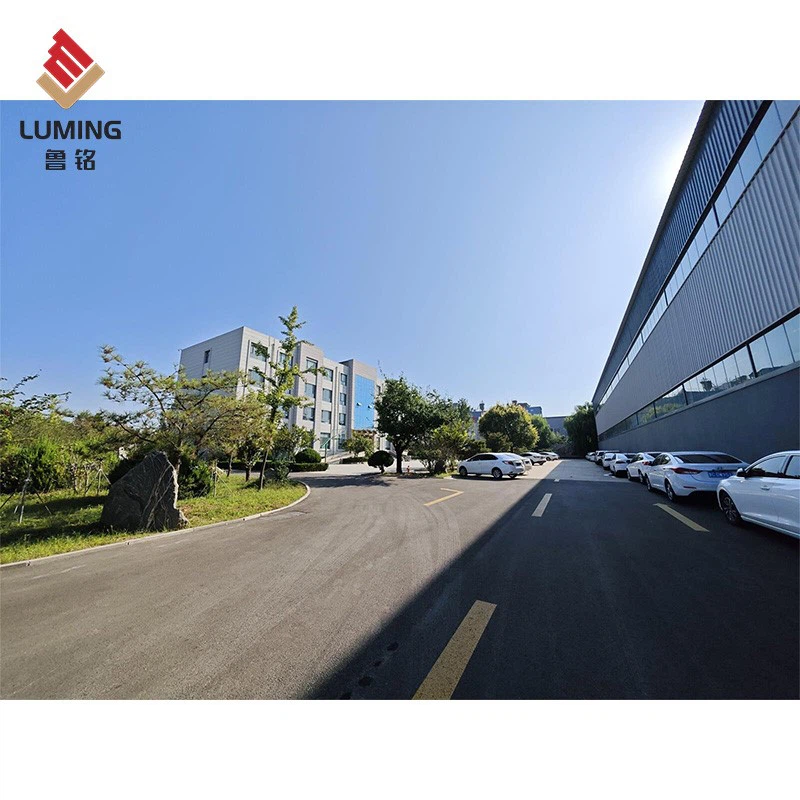
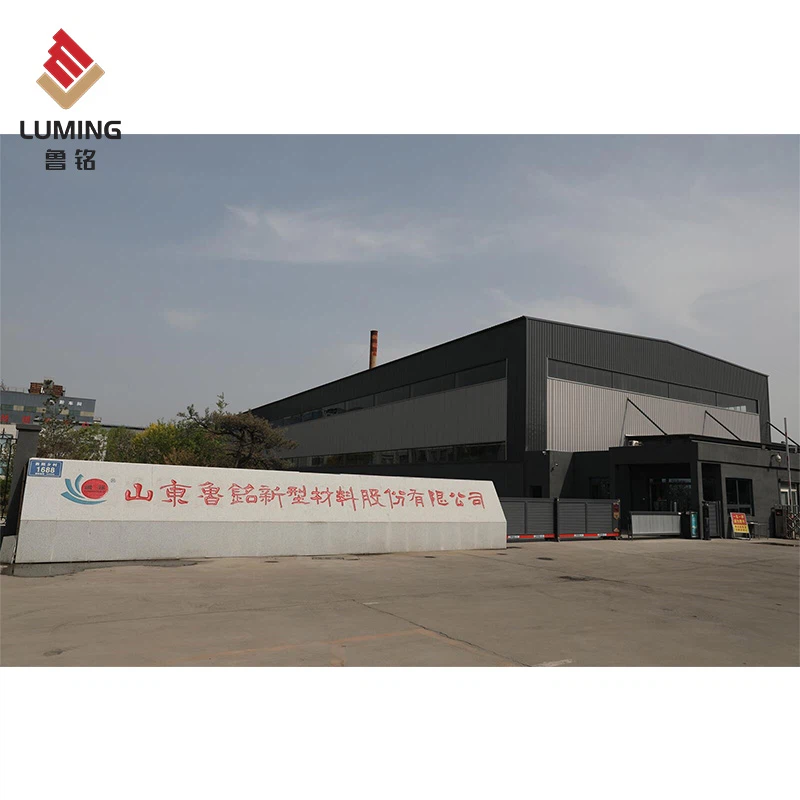
Our Company


FAQ
Hot Tags: refractory cordierite brick, China refractory cordierite brick manufacturers, suppliers, factory, Cordierite Fire Brick, Refractory Cordierite Brick, Andalusite Bricks, andalusite brick and cordierite brick, Andalusite Refractory Brick


